20+ Outdoor Activities That Are Great For Homeschooling Kids With ADHD
Are you a homeschooling parent looking for new and exciting ways to keep your child who has ADHD engaged and focused on what they are learning?
Well, you're in the right place because one of the best things you can do is encourage outdoor activities!
For starters, what kid doesn't love spending time outside? Not only does being outside encourage creativity, help you develop fine motor skills, and teach you important life lessons, but fresh air has also been proven to reduce stress and help people focus. While this is true for any person at any age, it's especially true for ADHD kids.
That's why I've put together this blog post of over 20 activities to be enjoyed outdoors that are constructive while also being incredibly fun for kids of all ages with ADHD!
But to truly understand why outdoor activities are important for kids with ADHD, it helps first to understand what challenges they face in their learning environment, whether at a traditional school or in a homeschool setting.
What Are The Biggest Challenges Kids With ADHD Face?
ADHD, which stands for Attention Deficit Hyperactivity Disorder, is a neurodevelopmental disorder that can make certain things challenging for people with it. And while many people often associate ADHD with a tendency to have shorter attention spans, there is a lot more to having ADHD and how it affects children in their learning environment. Understanding this as a homeschooling parent can make a significant difference in the experience for you and your child.
So, what are the most common or biggest challenges kids with ADHD face?
For starters, in addition to a lack of focus, they get bored or distracted easily. And no, I am not talking about distractions that can be removed by simply turning off the tv or turning down the radio. I am talking about distractions from a bird flying by the window, a strange noise in your house, etc. Since these things are near impossible to eliminate, it's imperative to find other ways to help your child with ADHD stay focused and engaged.
Kids with ADHD also struggle when faced with a big task or project, as they have difficulty understanding how to approach it or break it down into bite-sized chunks. This can cause your child to feel extremely overwhelmed, something you want to avoid as much as possible.


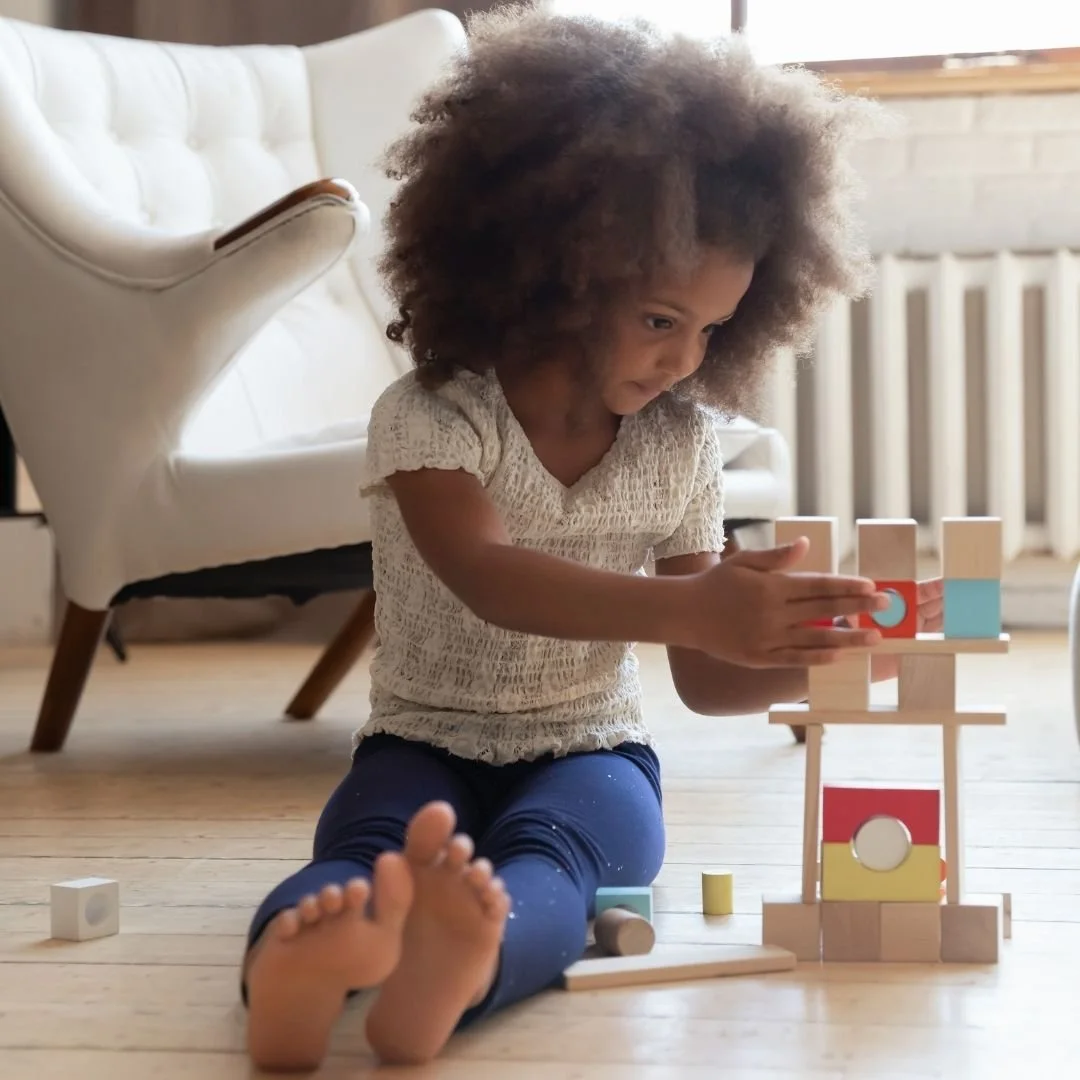
But perhaps the most challenging part is that traditional teaching methods, such as sitting at a desk and writing or reading, simply don't work well for kids with ADHD. There is just no other way to spin it. This is one of the main reasons that children with ADHD struggle in a traditional school setting.
The good news is that as a homeschooling family, you have the unique opportunity to set your child up for success that works with their needs instead of against them. Homeschooled kids with ADHD can try new activities and learn at a pace that works for them.
With all that said, does being outside actually help kids with ADHD? And can this be implemented into your homeschool lesson plan to help them find success with their studies?
Spoiler alert... yes it can!
How Does Being Outside Help ADHD Children?
There's no question about it; being outside has been shown to affect children with ADHD positively. Let's name all the ways!
It…
Reduces stress;
It helps kids connect with their emotions;
Improves mood;
Provides greater focus on other activities;
Provides a movement break;
Encourages physical activity;
It helps release extra energy in a productive way;
Helps to develop fine motor skills;
Offers the opportunity to learn essential life skills;
Encourages creativity.
With all that in mind, is it any wonder why homeschooling parents should include outdoor activities in their daily schedule? I think not!



Why Homeschooling Parents Should Include Daily Activities Outside In Their Lesson Plan
As I've said, kids with ADHD don't get what they need from a traditional school setting. And a lot of this is because the schools don't provide enough breaks to their students with ADHD or time outside.
As a homeschooling parent, you can give these things to your child, which can help them thrive in their studies! The best part is you can even incorporate some of the lesson ideas that need to be learned with outdoor activities. I have provided many more examples below, but here is one to start that will illustrate my point.
Let's say you have an upcoming lesson on the different plants that make up our ecosystem; instead of sitting inside and reading out of a book, go outside and experience those things with your kid. In doing this, you're killing two birds with one stone. Your child will be able to learn the material while also getting outside and using their senses in a way they couldn't do with a textbook.
So, if you're convinced and ready to help your child reap all the benefits of spending more time outside, let's look at some of the best activities you can plan to do with them!
Outdoor ADHD Activities To Teach Fine Motor Skills
Rock Painting: Have your child pick some rocks to paint and then grab the supplies you need to get creative. Creative projects like this encourage creativity in your child and help them pay close attention to the task at hand, which is a valuable skill for their learning.
Sidewalk Chalk: Get out the sidewalk chalk and draw a game board on your driveway, get your kids to answer math problems, or let their creative minds take control while they draw something from their imagination. This activity fosters great creativity while allowing room for learning and developing their fine motor skills.
Jump Rope: Most kids with ADHD find it hard to sit still for extended periods, and jumping rope is the perfect solution to that problem! Jumping rope encourages physical activity and helps with coordination.
Hula Hoops: Hula Hooping is a great way to keep kids active and encourage focus. This can be done by playing various hula hoop games or challenges.
Building Structures: This can be building sandcastles at the beach or constructing forts in the backyard. Either way, doing this activity allows your child to practice problem-solving, critical thinking, and spatial awareness. It is also great for developing self-confidence.
Popping Bubbles: This is an activity that kids of all ages love, but kids with ADHD will find it especially beneficial. Bubble wrap helps to improve concentration and focus.
Archery: Archery is a great sport that can be done at home in your backyard. It's a sport that helps to develop focus, control, and accuracy. Plus, it's fun to give your child something new to try.
Outdoor ADHD Activities To Reduce Stress & Improve Focus




Cloud Watching: Just lay down a blanket and look at the sky together! Encourage your child to look for shapes in the clouds while they relax outside with you.
Outdoor Board Games: When you notice your child struggling to stay focused, consider breaking out some outdoor board games or playing regular games outside. Doing this will help give their mind a break while enjoying the benefits of being outside and getting fresh air.
Yoga: Doing yoga is an excellent way for your child to learn how to manage their stress and improve their focus. Plus, doing it outside allows your child to work on their yoga poses while soaking in all of nature's beauty.
Gardening: Gardening is a great educational activity and is also suitable for helping kids reduce stress and improve their focus. It allows them to get their hands in the dirt, which can help ground them if needed and teach them about the importance of nature and being mindful of their environment.
Nature Walks: Walking provides a great opportunity to take deep breaths, address whatever is on their mind, get some fresh air, and appreciate all the beauty that nature has to offer. You can take this a step further with your child by doing nature walks, where you ask them to observe all the different plants, animals, and natural elements around them. This activity can help to reduce stress and improve focus significantly.
Horseback Riding: Horseback riding can provide a calming and therapeutic experience for children with ADHD. Not only does being around animals help to calm the mind, but the coordination and balance needed to ride a horse can help improve focus.
Outdoor ADHD Activities To Teach Valuable Skills, Life Lessons, and Course Materials




Nature Scavenger Hunt or Treasure Hunt: Make a list of different items found in nature, and then have your child hunt to find them all. This encourages exploration and makes learning about the outdoors fun! You can do this with plants, bugs, animals, rocks, etc.
Animal Tracking: There's nothing like getting out into nature and tracking an animal's path. Have your child keep their eyes open for tracks, feathers, fur, or anything else that might explain where the animal has been.
Critter Quest: If you have access to a creek, pond, or lake nearby, get the kids in the water and unleash their inner explorers! Have them look for tadpoles, fish, and other critters while they learn about the local aquatic life - a great way to get outdoors and help your child learn more about their environment.
Camping: Whether you go camping in the backyard or out for real, this activity can't be replaced with anything else. Camping encourages exploration, teaches kids valuable life lessons, survival skills, and helps them to develop a strong appreciation for nature.
Growing Your Own Fruits and Vegetables: When it comes to learning about where our food comes from, how plants grow, and how our ecosystem works, you really can't beat the activity of growing your food. Plus, doing this gives them a chance to have something to take care of all summer long, which can provide a point of focus for your child.
Outdoor ADHD Activities That Encourage Physical Exercise
Team Sports: Extracurricular activities, such as team sports, can be a fantastic way for children with ADHD to get their energy out, learn how to work with others, be part of a team, and develop communication skills and social skills. Sports like soccer, basketball, flag football, ultimate frisbee, and kickball can be great activities to get your child out of the house and moving.
Individual Sports: If your child is more of a solitary player, plenty of individual sports can help encourage physical movement. Swimming, running, biking, strength training, and martial arts can be great activities for children with ADHD to help them learn how to focus their energy on something positive. And all of these things can be done outside.
Hiking: Going on a hike helps get the heart rate up and encourages examination. Whether it's an easy, short hike or a more challenging one, hiking can help your child to reduce stress, clear their mind, and be more mindful of their environment.
Balloon Volleyball: Balloon volleyball is a great active outdoor game that helps build teamwork and encourages physical movement. All you need are two nets, some balloons, and a few friends!
Visit The Playground: Nothing beats going to the playground if you have a high-energy child. Not only will the walk there help burn off energy and relax your child, but they can also play once at the playground.
In addition to the activities mentioned above, it's also worth noting that you can do other activities outside that you would otherwise do indoors. Here are some different ways you can do that.
Reading
Writing In A Journal
Painting
Drawing
Playing Card Games
Playing Fun Games
Building Puzzles
Playing Make Believe





Lastly, it can be beneficial to take part in any local group activities that take place outdoors. Consider looking for other parents of children with ADHD to make the most of this. Not only will this help your child get outside and develop social skills, but it also gives you a chance to form relationships with like-minded individuals and create new friendships.
In conclusion, I really hope this article has inspired you to start including more fun activities that can be done outdoors in your daily lesson plans or routine. Not only will they enjoy all the great benefits outside has to offer and burn off extra energy, but they will also get to enjoy and thrive in their schoolwork more than ever!
With a bit of planning and some creativity, you can also find unique ways to incorporate outdoor time into the lessons you teach. So, besides having fun being outside, they will also learn more in a different environment!