Empowering Neurodiverse Learners: Practical Strategies for Supporting Your Child at Home
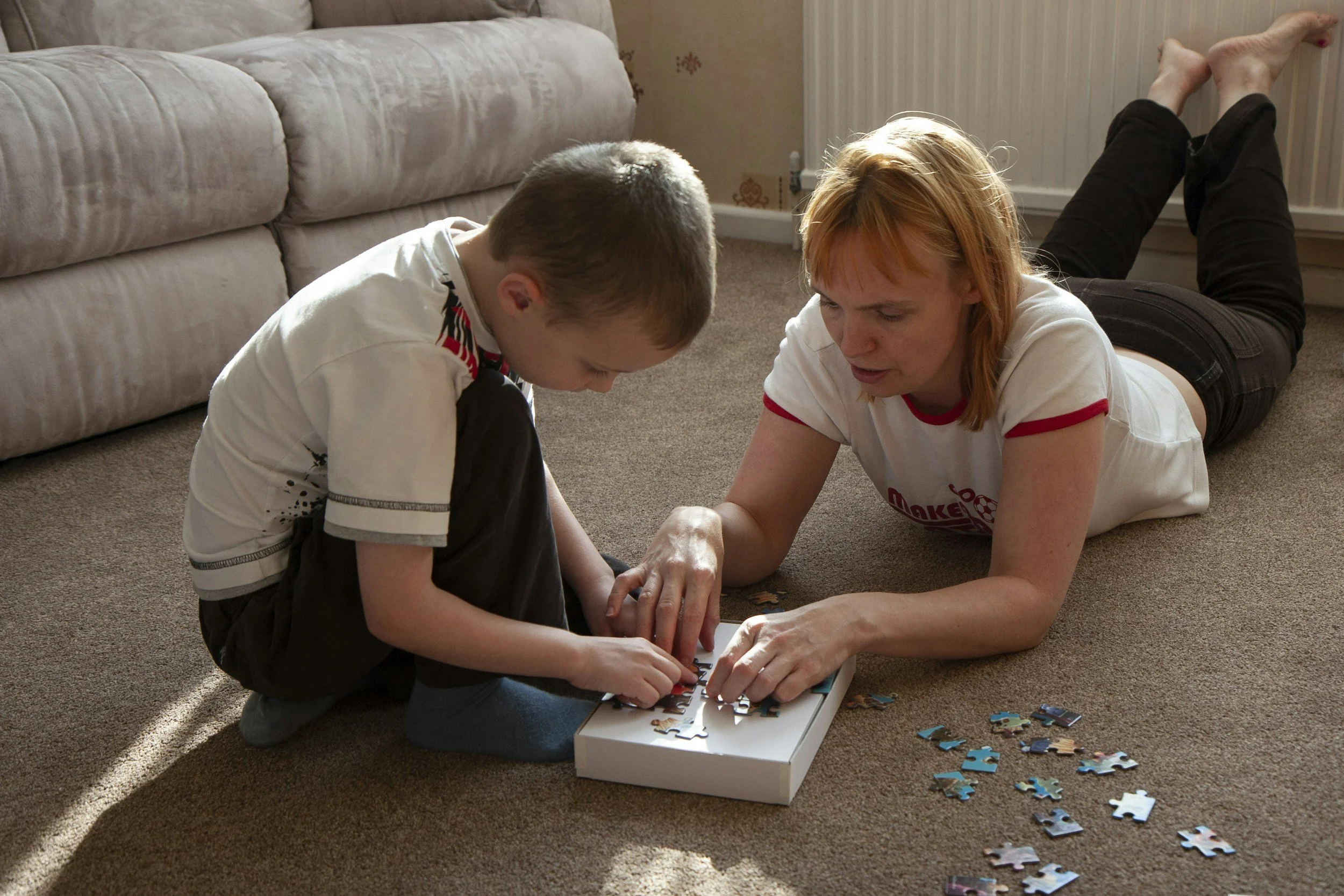
Navigating the educational journey with a neurodiverse child can present unique challenges and opportunities for growth. As a parent, you play a crucial role in providing the support, understanding, and resources your neurodiverse learner needs to thrive academically, emotionally, and socially. By implementing practical strategies and fostering a supportive environment at home, you can empower your child to reach their full potential and embrace their unique strengths. Let's explore some effective ways to help your neurodiverse learner at home.
Understand Your Child's Needs
The first step in supporting your neurodiverse learner is to gain a deeper understanding of their strengths, challenges, and individual needs. Take the time to observe how your child learns best, what environments they thrive in, and what strategies work effectively for them. Consult with educators, therapists, and other professionals who can provide insights into your child's neurodiversity and offer guidance on how to support their learning journey.
Create a Structured and Predictable Environment
Neurodiverse learners often benefit from structure and predictability in their daily routines and learning environments. Establishing consistent schedules, routines, and visual supports can help your child feel more secure and organized. Use visual schedules, checklists, and calendars to outline daily activities and expectations, and provide clear, concise instructions for tasks and transitions. By creating a structured environment, you can reduce anxiety and increase your child's sense of control and confidence.
Adapt Teaching Strategies and Materials
Tailoring teaching strategies and materials to accommodate your child's unique learning style and preferences is essential for their academic success. Experiment with different instructional methods, such as visual aids, hands-on activities, and multisensory approaches, to engage your child and reinforce learning concepts effectively. Break down tasks into manageable steps, provide opportunities for repetition and reinforcement, and offer plenty of positive reinforcement and encouragement along the way.
Foster Communication and Self-Advocacy Skills
Encourage open communication with your neurodiverse learner and empower them to advocate for their own needs and preferences. Create a safe and supportive environment where your child feels comfortable expressing their thoughts, feelings, and concerns. Teach them effective communication strategies, such as using "I" statements and active listening skills, and encourage them to ask for help when needed. By fostering self-awareness and self-advocacy skills, you can empower your child to become more independent and confident in advocating for themselves both at home and in other settings.
Provide Emotional Support and Validation
Navigating the challenges of neurodiversity can be emotionally taxing for both you and your child. Be mindful of your child's emotional well-being and provide them with unconditional love, acceptance, and validation. Validate their feelings and experiences, and reassure them that it's okay to have struggles and setbacks. Celebrate their successes, no matter how small, and praise their efforts and progress along the way. By providing emotional support and validation, you can help your child develop resilience and self-esteem in the face of challenges.
Collaborate with Professionals and Seek Resources
Don't hesitate to seek support and guidance from educators, therapists, support groups, and other professionals who specialize in neurodiversity. Collaborate with your child's school to develop individualized education plans (IEPs) or 504 plans that address their unique needs and accommodations. Explore community resources, online forums, and support groups for parents of neurodiverse children to connect with others who can offer insights, advice, and encouragement. If you are homeschooling, look for educational resources that specialize working with neurodiverse students. One such resource is Infinite Learning Academy.
Conclusion
Supporting a neurodiverse learner at home requires patience, empathy, and a commitment to understanding and meeting their individual needs. By creating a structured and supportive environment, adapting teaching strategies, fostering communication and self-advocacy skills, providing emotional support, and collaborating with professionals, you can empower your child to thrive academically, emotionally, and socially. Remember that every child is unique, and what works for one may not work for another. Be flexible, open-minded, and willing to try new approaches as you navigate the journey of supporting your neurodiverse learner at home. With your unwavering support and dedication, your child can overcome challenges, embrace their strengths, and achieve their full potential.