Micro-schools and Pod Learning
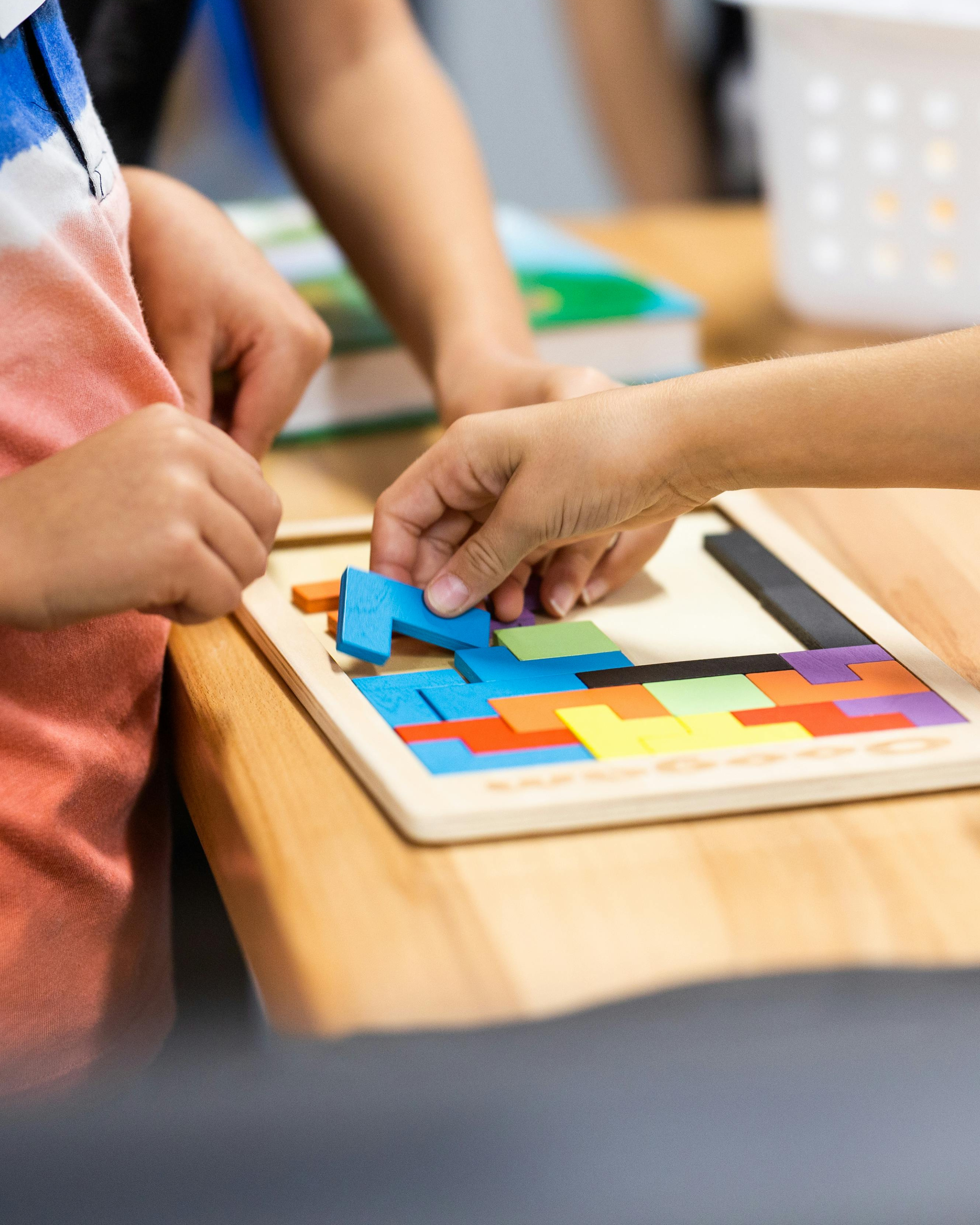
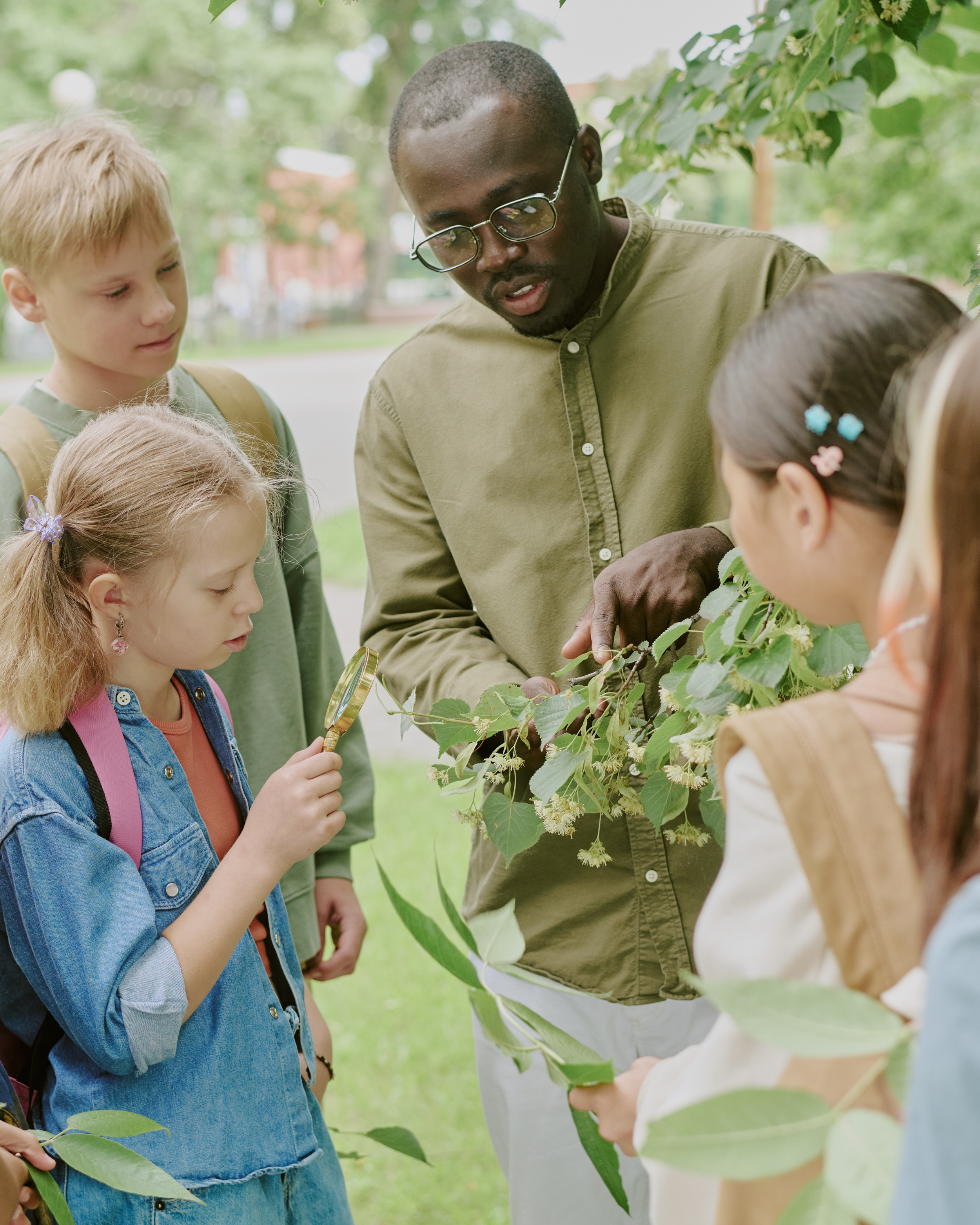
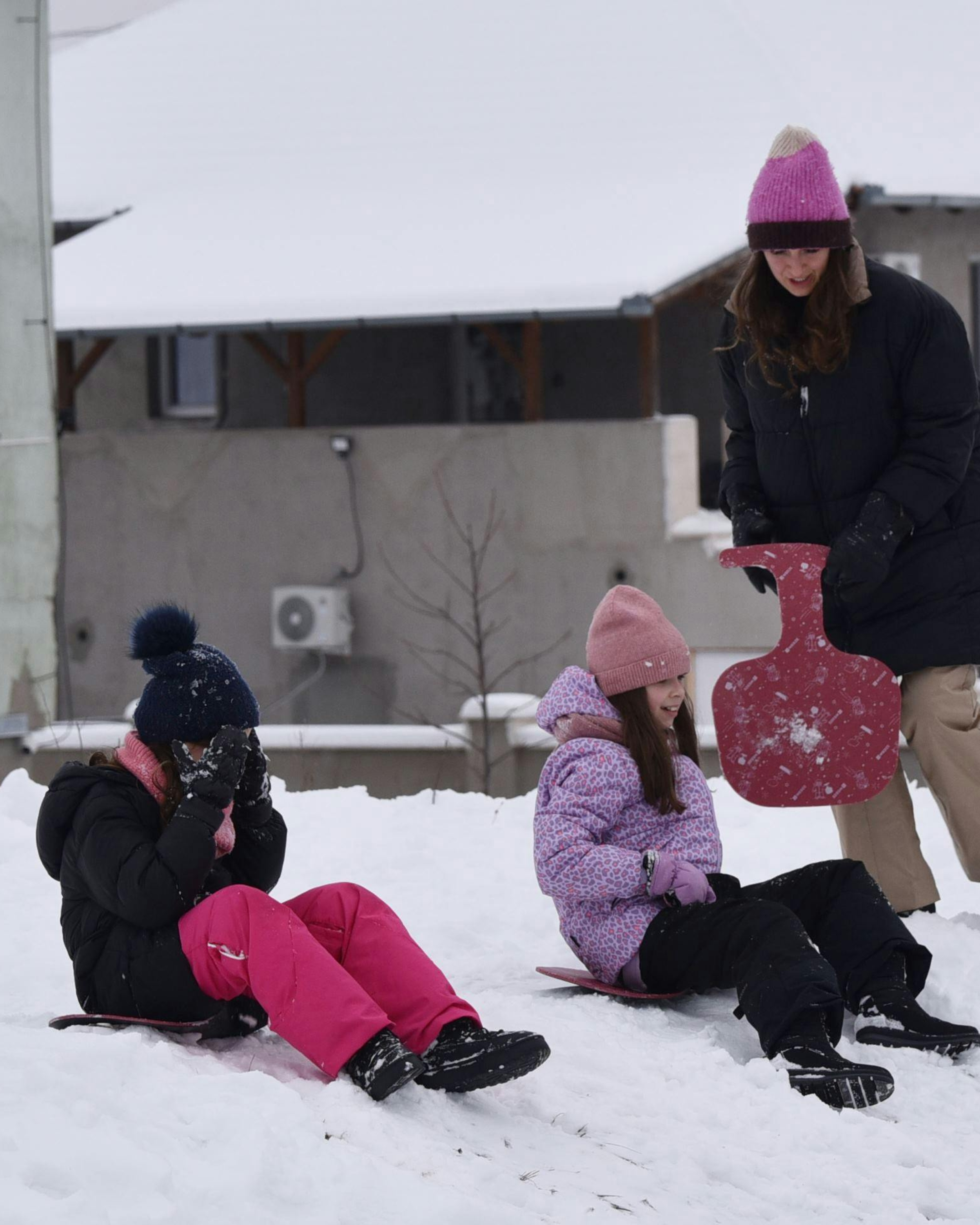
People looked to pod learning and micro-schools during the pandemic as an organic way to keep their children engaged in school. Since then, interest has only grown for non-traditional school settings that allow students a more flexible and personalized education journey.
What is pod learning and what are micro-schools?
Pod learning involves a small group of students learning together as a cohort. These are formed by groups of families who come together to pool their resources and knowledge. Led by parents and educators, pod learning often focuses on specific subjects, allowing for a deeper dive into subject matter. These pods can be easily tailored to the students interests and needs.
Micro-schools are larger than learning pods but smaller than traditional schools, operating out of community spaces, homes, or small facilities. They’re usually governed by a specific learning philosophy, like Montessori or nature schools. Class sizes are smaller so teachers can give more attention to each student. With this option, students get a hybrid experience of both the classroom setting and individual attention.
Why choose a pod learning or micro-school alternative to conventional schooling?
Both schooling options facilitate a small, collaborative learning setting and student centered approach. Students get socialization and specialized instruction. They give parents some freedom and flexibility. The curriculum can be personalized and educators can give more attention to their students.
These students enjoy flexible, personalized learning that adapts curriculum as needed. Kids interact with their peers to develop social skills and emotional growth. For pod learning, parents can share the responsibilities of homeschooling and have the option to bring in educators. For micro-schools, small classrooms mean educators thoroughly get to know their students and how to best support them. And with the use of virtual learning, school can come with you wherever you go.
Micro-schools and pod learning also offer a schooling alternative for students who have had less than desirable experiences in traditional school settings. The flexibility and personalized nature can also be very beneficial for neurodiverse students with particular learning needs.
Considering alternatives to traditional schooling?
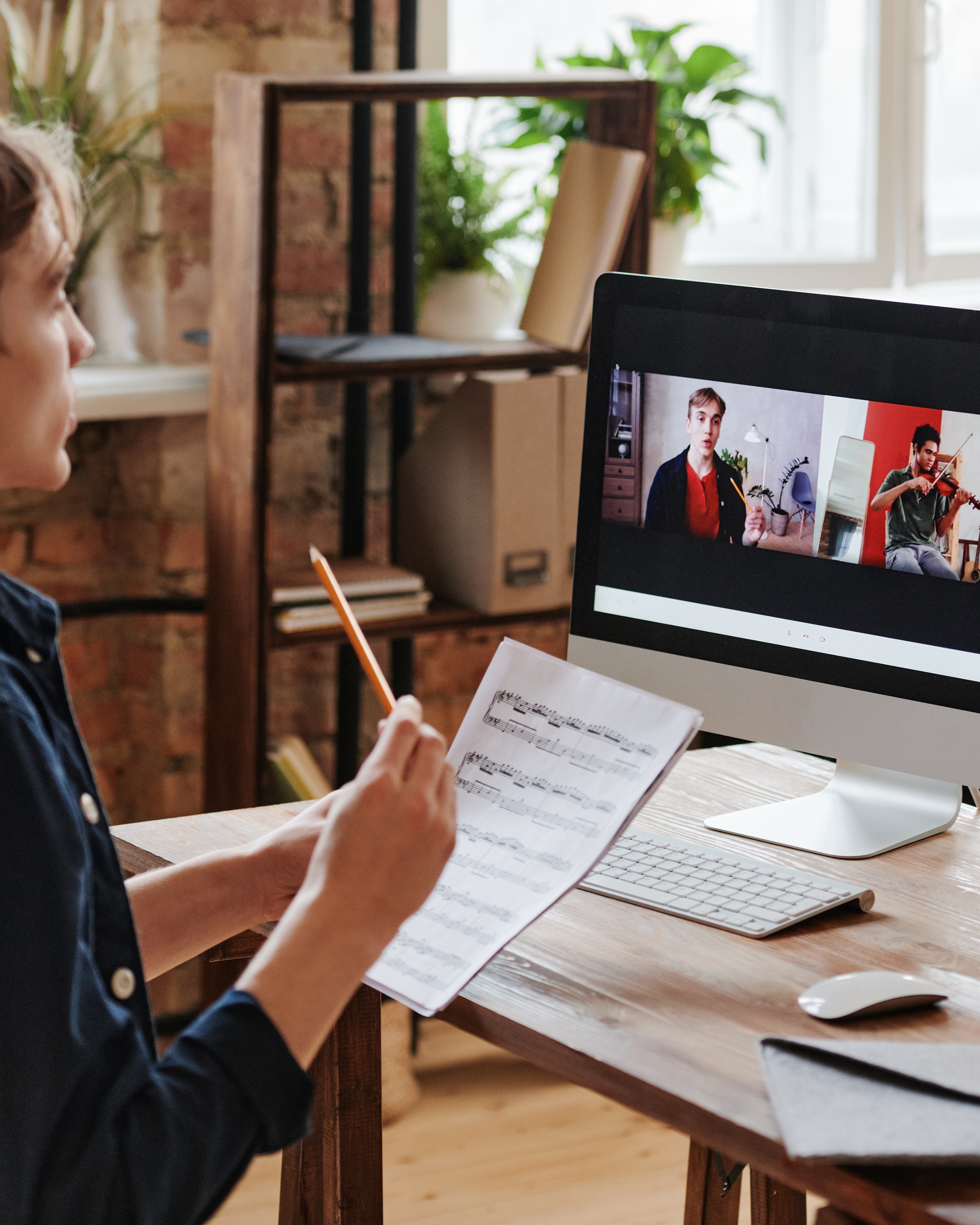
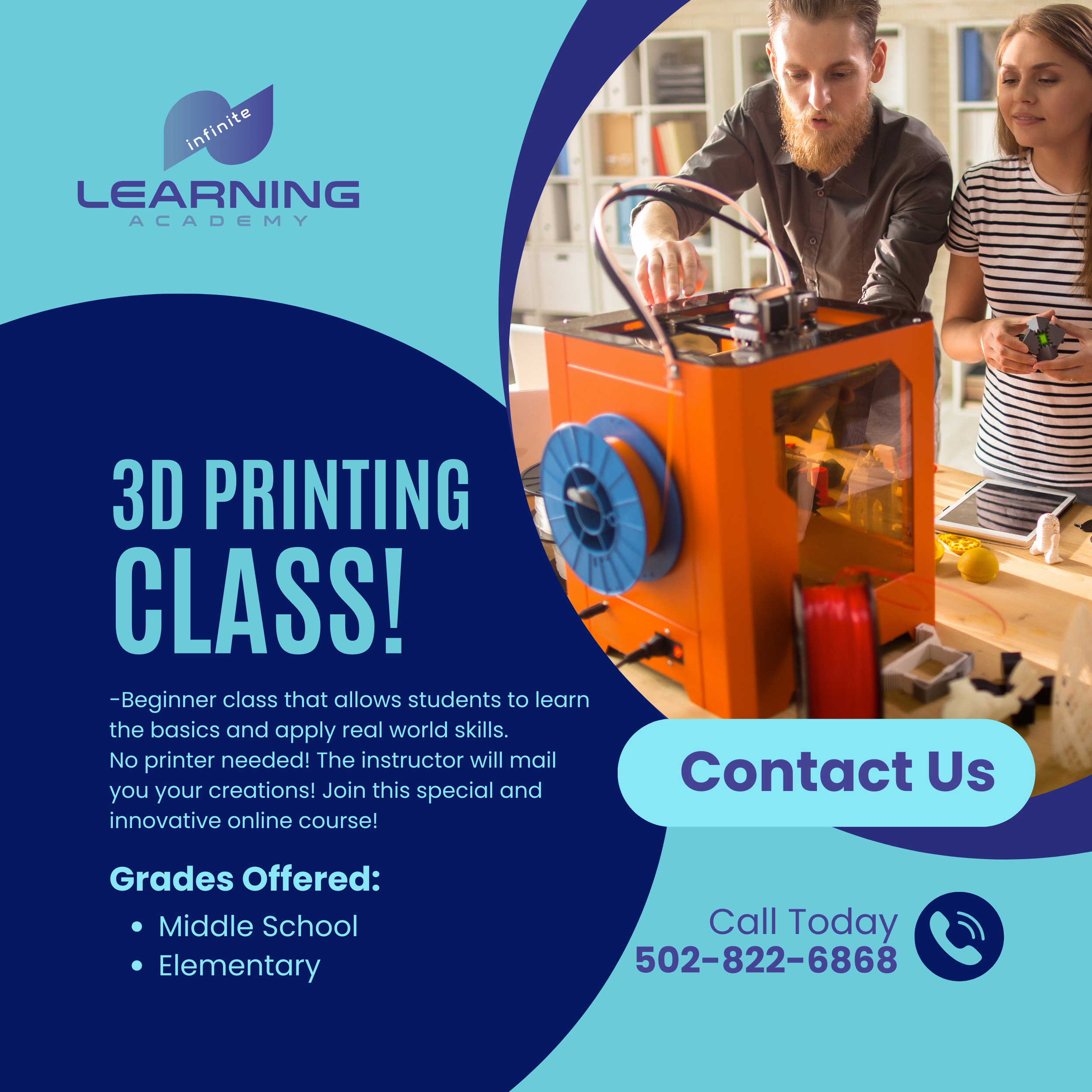
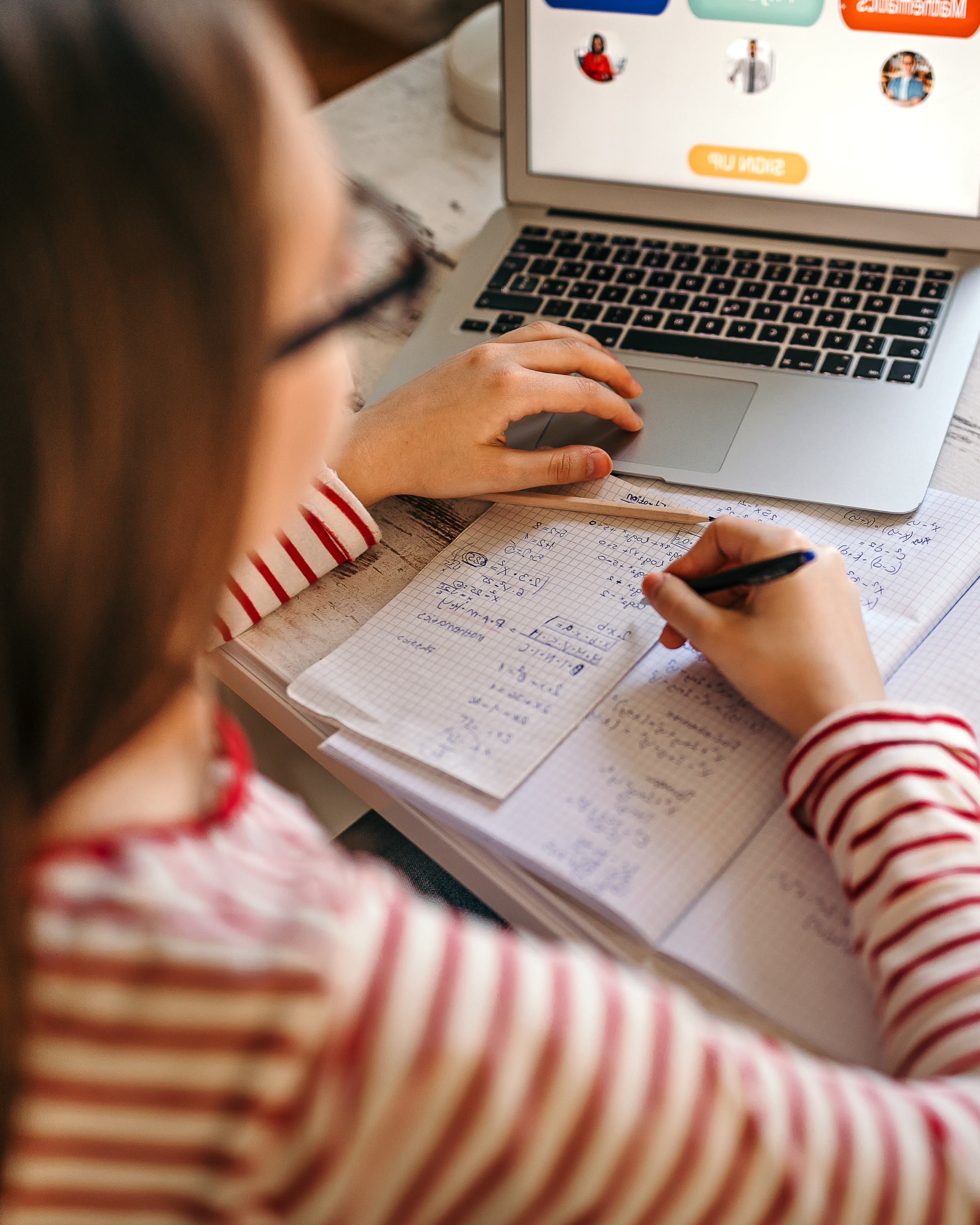
Infinite Learning Academy provides a bespoke curriculum for microschools and learning pods. They have created their HELLO homeschool program to allow these new learning environments to access professional educators when needed and at an affordable price for families.
Their complete homeschool experience includes flexible curriculum and materials. Weekly themed curriculum means no need to purchase separate books and programs. Extra activities are even included for families or groups along with lessons and worksheets. Each week, children get to work with a live teacher in a small virtual class setting. It also includes opportunities for experiential learning that allows children to apply the concepts they’re learning about to real life.