11 Autism Awareness Activities - Spread Awareness and Acceptance
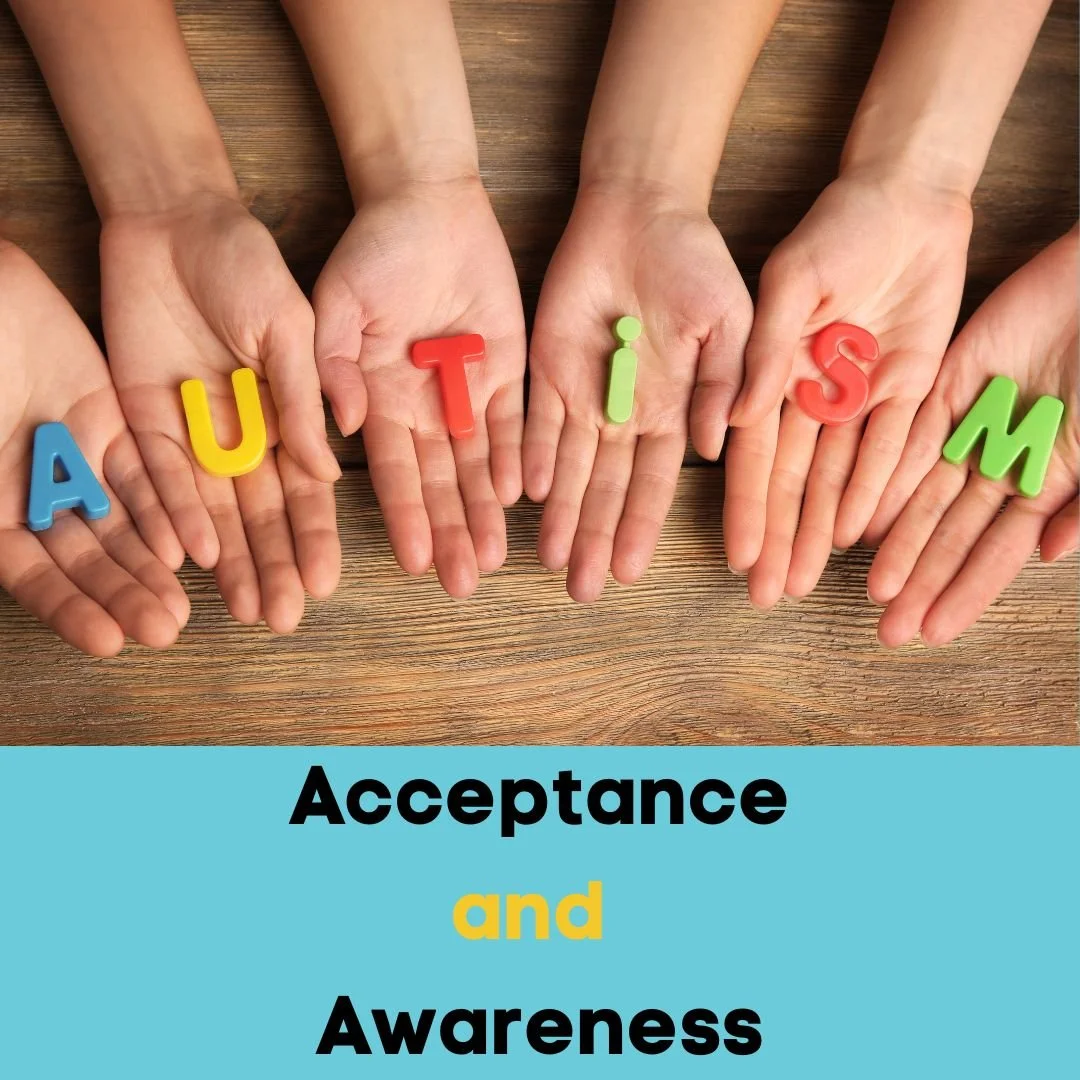
With Autism Awareness Month in full swing, it's a perfect time to explore ways to show your support!
Even though autism is more prevalent than ever, there are still many misconceptions about autism, which can lead to stigma and misunderstanding. Fortunately, we can all do our part to raise awareness and show support for those living with autism.
That's why we've put together this list of 11 autism acceptance activities, perfect for an individual or the whole family to take part in. Whether it's Autism Acceptance Month or any other time of the year, all these activities can help spread understanding and acceptance.
When Is Autism Acceptance Month?
April is Autism Acceptance Month (formerly called Autism Awareness Month), and it's an excellent opportunity to highlight the importance of inclusion and understanding. During April, take some time to learn more about autism, talk to friends and family about acceptance, and do some of the autism acceptance activities we've shared below.
There is also World Autism Day which is on April 2nd.
Even if it's not Autism Acceptance Month or World Autism Day, you can still participate in autism acceptance activities throughout the year to spread acceptance of autism.
11 Fun Ways To Support Autism Acceptance


#1 - Spread Awareness About Stimming
Stimming is a short-hand term for self-stimulating behaviors, which are often repetitive behaviors. While many people have a stim, such as biting their nails or tapping on the table, it is commonly associated with autistic people as it is widely more pronounced. This is usually because people with autism experience senses in different ways, and these stims help them regulate when they become overwhelmed.
Some common stims you will see include flipping their hands, spinning in a circle, wringing their hands, humming, etc.
And there is no one singular thing that causes an individual to stim. It can be from excitement, worries, compassion, learning something of interest, or even fear.
As normal as this behavior is, some people don't understand why it is so pronounced in people with autism and may even become agitated or annoyed. So, one of the best things you can do to support autism spectrum disorder is to educate people on stimming and its importance.
At home, it is also essential to allow stimming to happen and continue the conversation calmly or ask if you need a break to enable processing and self-regulation.
Lastly, setting up a sensory space (in your house, in your classroom, or even your place of business) to allow self-regulation can be hugely beneficial to help spread acceptance.
Related Read: Sensory Room Ideas For Autism/ADHD
#2 - Read Books About Autism and Neurodiversity


Autism Books
Adults and children need to have a well-rounded understanding of autism, and a great way to do this is by reading books. Each book on this list is a must-read for autism awareness month.
Neurotribes - The Legacy Of Autism and the Future Of Neurodiversity
Digging into the past of autism research, author Steve Silberman helps to reshape our understanding of the history, meaning, function, and implications of neurodiversity. This book provides much-needed insight into Autism and Neurodiversity in our world.
The Autistic Brain: Thinking Across The Spectrum
In this book, you will discover the story of Dr. Temple Grandin, perhaps one of the most famous people known for autism. In this remarkable book, Dr. Grandin shares how parents with kids on the autism spectrum can focus on their strengths to foster their unique contributions to this world.
A great way to better understand and accept autism is to learn about it from adults on the autism spectrum, and that's what this book offers. With 100 personal stories, you will learn more about what helped them while growing up. This awareness is incredibly beneficial and much-needed in our modern world.
Unmasking Autism: Discovering The New Faces Of Neurodiversity
Take a deep dive into autism for a more profound understanding of neurodiversity in our modern world. This book is a must-read for autism acceptance month.
All family members could benefit from reading this book, as it contains so many different tools, games, and activities you can do to help your child's social skills.
Children's Books About Autism
For young kids, understanding what autism is can be more challenging than it is for adults. But children's books, especially ones with an autistic character, can help kids of all ages better understand autism. Picture books can also be beneficial in aiding young kids and their understanding of autism as they provide visual support.
DJ The Bear: A Book About A Bear With Autism
A heartwarming story about a bear with autism and his family also includes questions and answers about autism that resonate well with autistic children.
Young children with autism can struggle with changes and new routines. To help bring awareness to this part of autism, the author wrote this heartwarming story of a young boy named Alex and the drummer's important role in helping him get acclimated to a new routine.
Goldilocks and the Three Bears: Understanding Autism Spectrum Disorder
This retelling of a classic story highlights a young girl, Goldilocks, who is on the Autism Spectrum. As a bonus, this book also provides an ASD glossary of terms and discussion questions, which can lend a helping hand in having meaningful conversations with your child.
#3 - Listen To Podcasts About Autism and Neurodiversity
In addition to the fantastic books available, numerous podcasts are available, hosted by autistic advocates, autistic adults, and educators, that discuss how we can make the world a better place for autism. These are all must-listen podcasts during national autism awareness month and even after.


#4 - Get Involved In Fundraising Events For Autism
During Autism Acceptance Month, you can participate in various fundraiser events. From local walks to outdoor BBQs, participation is the best way to show your support and spread acceptance and awareness further.
To learn about the different community activities near you, check Facebook groups, your local autism organization, your child's school, etc. There are also plenty of online fundraisers you can join if there are no physical events in your area.
If these options aren't available, there is no need to worry - take it upon yourself to organize a fundraiser and spread the word! Doing this can make a huge difference in your community as everyone comes together.
#5 - Participate In An Autism Awareness Event





In addition to the fantastic fundraisers that take place nationwide, there are more and more events nationwide that support autism too. These events are usually in the form of learning seminars, skill-building workshops, and various group activities that provide the opportunity to interact with and understand what we can do to support, assist, accept, and normalize autism.
One such event is the annual Learning Retreat for families and educators. During this event, you will learn how to incorporate sensory needs into your everyday life to support autistic people. There will also be IEP support sessions, parental support, and more.
#6 - Update Your Knowledge
Over the years, we have learned so much about autism. Not only do we understand more about the different aspects of autism, but new therapies and treatments are also being developed, more information that helps us support autistic individuals in schools and the workplace, and more.
When I started learning about autism 35 years ago, I could find very little on the subject, and what I learned back then is definitely not appropriate now. Verbiage I was taught in educational courses 20 or even 10 years ago is outdated, and I must constantly check my language use. For example, many feel offended if you say someone "has autism." The more appropriate way is to say they "are autistic."
Make sure you take the time to update your knowledge. Follow organizations specializing in autism awareness, and read up on the latest research studies and other resources related to autism. There are also online courses available for educators and professionals looking to stay ahead of the game and make a difference in the lives of autistic people.
#7 - Show Your Support On Social Media
In this day and age, social media can be a powerful tool for spreading awareness. During April, use your voice to show your support. Share positive stories about autistic individuals or organizations that help autistic people.
Supporting autism acceptance also means recognizing that autism is not bad - it's just different! Share inspirational stories of autistic people overcoming challenges, pursuing their dreams, and living successful lives. The more positive stories we share, the better!
#8 - Share Personal Stories Of Your Own Experiences With Autism
If you have a friend or family member with autism, share your story! Writing about personal experiences helps to spread awareness by making autistic people more visible in our society.
By sharing these stories, we can help others understand and accept the differences of those on the spectrum. We can also remind others that everyone has something unique to offer the world, including those with autism!
#9 - Wear Blue
Blue is the color of autism awareness, and wearing it can be a great way to show your support for the cause. Whether it's a shirt, hat, ribbon, or even an entire outfit, donning the color blue can help start the conversation and open people's eyes to the needs of those with autism.
You can even wear blue during special events, such as the annual World Autism Awareness Day on April 2nd. On this day, many landmarks around the world light up blue in solidarity, and it's a beautiful reminder of how far we have come in understanding and celebrating autism.
#10 - Hand Out Sensory Toys
Sensory toys are essential for helping autistic children regulate their emotions, stay calm, and cope with everyday life. They also help younger students on the spectrum develop their fine motor skills.
Handing out sensory toys to families of those with autism can help them manage challenging situations and promote acceptance. You can also give out sensory toys to local schools and organizations so they can provide a more inclusive environment for autistic individuals. Doing this helps create a much-needed calming environment and makes the lives of those on the spectrum easier.
These toys are easy to come by, and there are many different types.
Fidget Toys
Spinning Tops
Stress Balls
Rain Sticks
Substance Toys (such as Play-Doh, Kinetic sand, etc.)
Weighted Stuffed Animals
#11 - Decorate A Bulletin Board
Lastly, decorating a bulletin board, especially in a high-traffic area, is a great way to spread acceptance and awareness. You can make the board as creative or straightforward as you like and include information about autism, photos of autistic people, stories, quotes, and other inspiring pieces that encourage those on the spectrum.
By doing this, you will be raising awareness and also providing a source of inspiration to others who might need it.
To find a bulletin board to decorate, check with your local community center, library, grocery stores, cafes, and other public places.
As you can see, there are many meaningful ways to show your support for the autism community. From spreading awareness on social media to wearing blue or handing out sensory toys, every small act helps create a more inclusive world.
No matter what you do, every small action counts, and we can all make the world better for those on the spectrum. Let's continue to fight for autism acceptance and create a brighter future for everyone!