7 Tips For Children With Sensory Sensitivities When Going To Museums

Museums can be overwhelming for many children, regardless of age. With bright lights and loud noises, the sheer amount of stimuli can easily cause sensory overload in kids.
For this reason, it's important to consider a child's sensory needs when visiting a museum, as this can make all the difference between an enjoyable experience and an overwhelming one.
Here, we'll talk about what sensory needs are, why they matter in museum settings, and how to prevent sensory overload in kids while at the museum.
The Importance Of Keeping Sensory Needs
I once took a group of children on a summer camp field trip to an oceanographic society museum. One of the families had not informed the school that their child had specific sensory issues.
When this child interacted with the horseshoe crabs in the touch tank, they became so excited that their natural sensory reaction was to clinch their fists. Unfortunately, this did not end well for the tiny horseshoe crab. The child and the museum were not happy either.
I learned a fundamental lesson that day. Now, I always inform parents of the activities we will engage in during a field trip. I also learned that I need to be more direct in asking questions to families and students about sensory needs before we attend an event.
Not only is keeping sensory needs top of mind essential to give your child an enjoyable experience, but it's also good for the museum. Being prepared for these things in advance will help avoid any unpleasant experiences.
Sensory Challenges To Consider At Museums
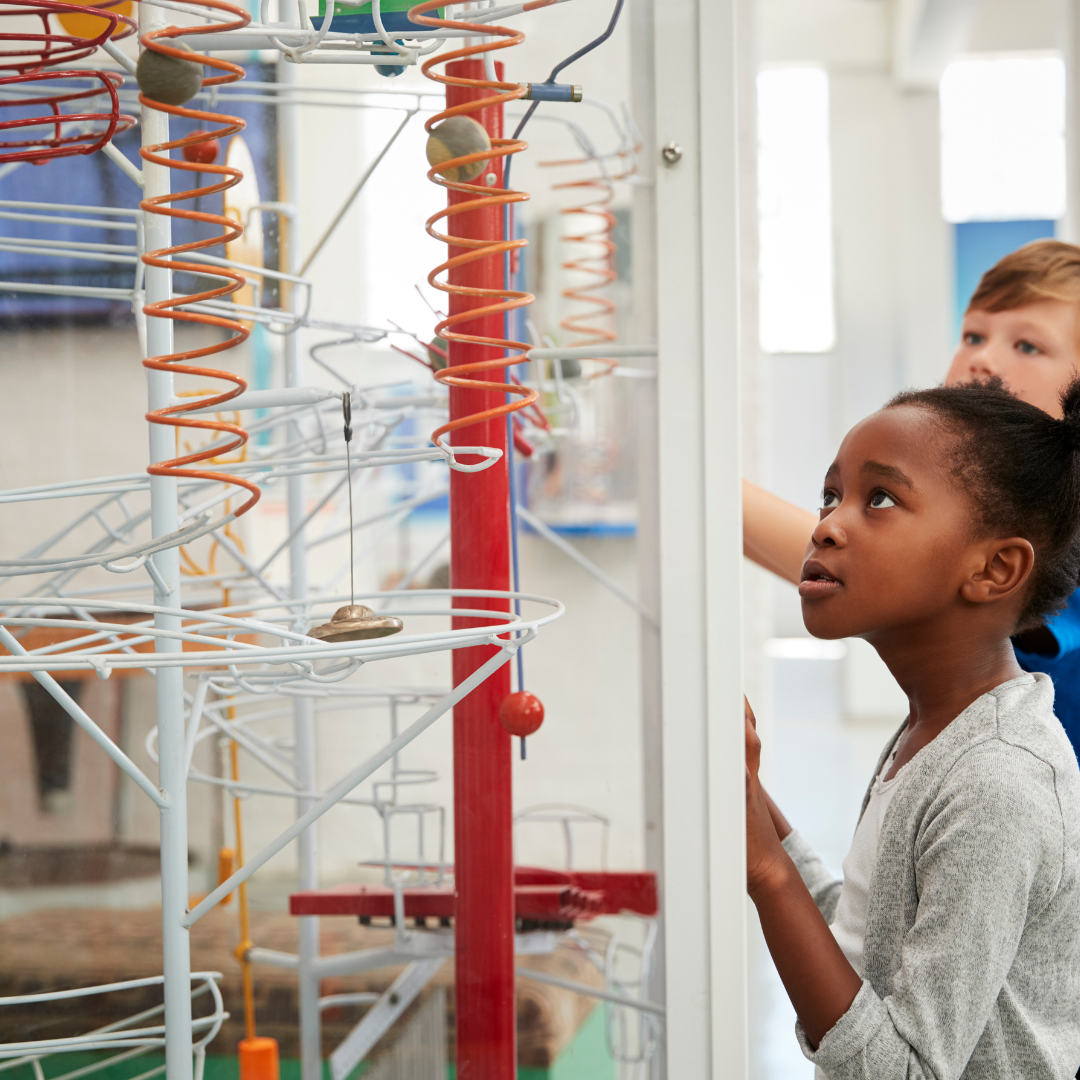


Sound Triggers
Different sound triggers can cause sensory overload, including banging, loud music, surprising sounds, and motion-triggered sounds. You'll often find these in the museum audio guides, interactive displays, and even in the museum's hallways.
Sometimes, a cacophony of conversations and sounds can also cause sensory overload in children. You'll find this to be a common issue when the museum is busy.
Light Triggers


Some light triggers that can cause sensory overload are bright lights, flashing lights, lasers, dark spaces, black lights, and fluorescent lighting. These things are common in museum exhibits, so it’s good to be aware of them.
For example, aquariums often have black light areas that can be very triggering for children sensitive to this type of light.
Touch Triggers


Depending on the kind of museum you visit, you will often find different touch exhibits that can cause sensory overload, such as wet, sand, and scratchy or soft surfaces. In the above story, the children touched horseshoe crabs in a touch tank. For some kids, feeling those kinds of things can be very triggering.
In addition to things your child can touch, museums usually have touchscreens, interactive displays, and hands-on exhibits as well. These are usually the main draw for children when visiting museums, but they can often be quite overwhelming for kids with touch sensitivity.
Smell Triggers

When you visit the museum, you will also find there are a lot of different smells such as food, cleaning products, paint, smoke, flowers, animals, and more. Some, or all of these smells can overwhelm people with sensory sensitivity to smell.
For example, I was surprised by how stinky koalas are due to their diet of eucalyptus leaves. Goats and horses frequently smell like hay which can also trigger sensory overload.
Animal Triggers




In addition to the various smells that animals have, there are also several behaviors and attributes in animals that can cause sensory overload, including:
flying movement;
fast, jarring movement;
jumping; (common with goats)
animals landing or sitting on you;
the feeling of bird feet or talons;
the texture of the tongue when you're feeding animals (giraffes, goats, cows, etc.);
the texture of fur or skin;
spitting; (common with Llamas and Alpacas)
growling.
Petting zoos and aquariums can be challenging for kids with sensory overload challenges, so it is a good idea to be aware of this beforehand.
Environmental Triggers



Lastly, consider environmental triggers for children. Some kids can be sensitive to hot and cold. Others might be sensitive to wind, rain, sunshine, etc.
Knowing before you go what the conditions are inside and outside the museum will help you prepare for it and bring whatever you need to support the child so they don't become overstimulated.
Tips For Avoiding Sensory Overload At Museums
Preparing in advance can help if you have a child with sensory triggers. Here are some things you can do.
Tip #1 - Call Ahead And Inquire About Their Exhibits
It's always a good idea to call ahead and ask about the museum's exhibits. Knowing what kinds of sensory triggers are present helps you prepare for them or avoid them altogether.
Tip #2 - Bring Noise-Canceling Headphones

Noise-canceling headphones can be a great way to help reduce sensory triggers from sounds.
Tip #3 - Bring Sunglasses Or a Hat To Block the Light

If you know that your child is sensitive to light, it's a good idea to bring sunglasses or a hat that can block out some of the brighter lights.
Tip #4 - Encourage Touch With Gloves
If your child is sensitive to touch, you can bring gloves so they can still explore the tactile exhibits without feeling overwhelmed.
Tip #5 - Bring Plenty Of Snacks To Manage Hunger Sensitivity

If your child is sensitive to hunger, it's a good idea to bring plenty of snacks, so they stay comfortable.
Tip #6 - Go At Your Own Pace
Taking regular breaks during your visit can help your child avoid feelings of overwhelm. If you are with a group of people, be sure to communicate this with them beforehand. Going at your own pace will help your kid have a wonderful and memorable experience.
Tip #7 - Visit During Quiet Hours
It's a good idea to visit the museum during quieter hours when there may be fewer people and less noise. A good time to do this is Sunday morning or during school hours.
What Museums Can Do To Help

It can be valuable for museums to make simple changes to help children with sensory needs feel more comfortable. Here are some ideas of what the museums can do.
Create Quiet Spaces or A Sensory Room

Creating quiet zones in the museum with comfortable seating can be a great way to encourage taking a break between exhibits, which can help reduce sensory overload. Museums can also add a sensory room with sensory toys, fidget toys, special lighting, and seating that can provide a place for kids to rest, relax, or recharge their energy.
Provide Sensory Bags

Museums can be proactive by putting together sensory kits in a bag to help children. The kits might include noise-canceling headphones, sunglasses, gloves, and other items to help reduce sensory triggers.
Have A Sensory Map

Designing a sensory map of the museum can help parents or schools who have kids with sensory needs plan their visit. The map could include the location of quiet spaces, animals, areas with bright lights, etc.
Host Sensory-Friendly Programs, Events, and Hours


Museums can help visitors of all ages with sensory issues have an enjoyable visit and a great experience at the museum by introducing special hours. During those hours, museums can turn down the lights, reduce the noise from exhibits, and even set up specialty exhibits that won't cause overstimulation.
In addition to having special hours, museums can host sensory-friendly programs and events that will foster an environment of learning that won't cause overstimulation. For example, some museums throughout the United States host a sensory-friendly Saturday where they do different activities and exhibits. This is enjoyable for kids.
Train Staff On Sensory Needs
Finally, training staff on sensory needs and handling situations that may arise due to sensory overload will be valuable. It is a good idea to have a trained staff member present in the welcome center, any exhibits that are taught by staff, etc. Click here for a sensory training event you can attend this summer, June 2023.
Feel free to call the museum in advance and see if they offer any of these things. And if they don't, see if you can partner up with them to create a sensory-friendly experience for not only your child but other children too. Some places still aren't aware of the special needs of kids with sensory sensitivities, but you and other families of children can help them improve the experience.
Visiting a museum can be a fantastic experience for children, but it's essential to understand their sensory needs and prepare beforehand. With some planning and understanding, museums are a great environment for children with sensory sensitivities to explore, learn, and engage with the world around them in a way they may not have been able to before.