15 Reasons Why Public School Is Not Working
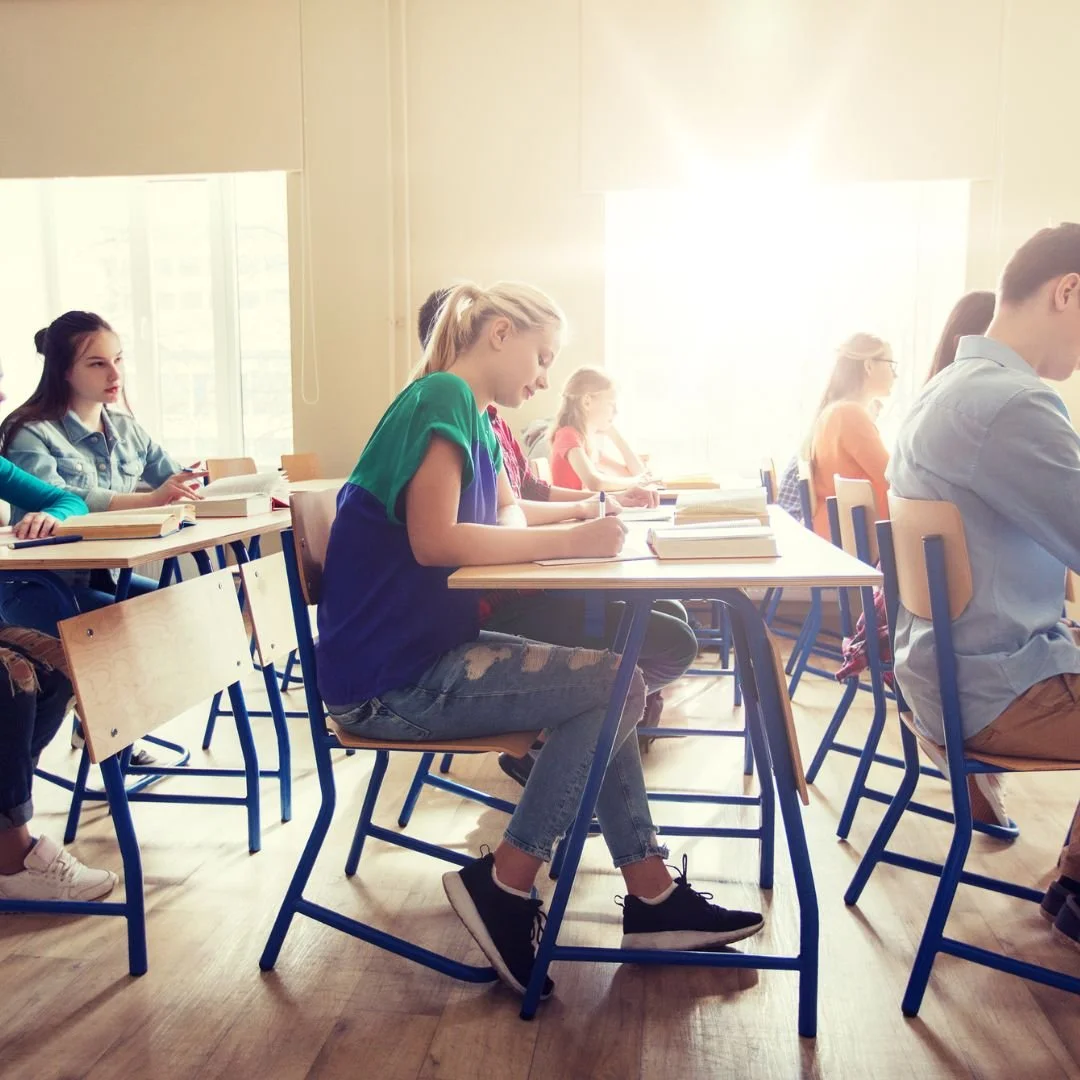
Many parents see public schooling as the only way to educate their children, especially if they went to public school themselves as a child. Unfortunately, the public school system has seen a lot of changes, or in some cases, a lack thereof, that every parent should be aware of.
From inadequate preparation for life after high school to a lack of personalized teaching and consistency in rules, there are many reasons why there may be better choices for your child than public schooling in today's modern world.
This blog post will explore the top fifteen reasons why public education doesn't work for every kid. By understanding the various drawbacks to this type of education, you will be better equipped to choose the best education option for your children.
Let's start the list with one of the top challenges students and teachers face in the public school system.
Reason #1 - Overcrowded Classrooms
Overcrowded classrooms have been a problem for many years in traditional public schools, which the federal government always addresses, yet does nothing to solve.
In some classroom settings, the ratio of kids to adults can be as much as one teacher to upwards of thirty-five students. The lack of balance can result in many challenges.
Let's say you have 25 - 30 kids in each classroom, which is standard; that means each student only has 2-3 minutes of individual attention each hour. As much as good teachers try to help every student, these limited time restraints make it next to impossible to provide adequate help and support to the students that need or want it.
Bluntly speaking, overcrowded classrooms do not contribute to quality education.
Having smaller class sizes would solve this problem. Unfortunately, public schools need more resources to make this happen. It's a never-ending cycle where the government provides minimal funding and is surprised when the students don't perform well in school.
It's not a proper setup, and unfortunately, many kids and school staff suffer because of it.
Reason #2 - More Students Need Individualized Learning Than Ever Before
According to education statistics, more students have individual needs than 25 years ago, such as mental health challenges, disabilities, etc. Furthermore, it is now widely understood that students have various learning styles and retain information differently, which can dramatically impact student achievement.
Even though the need for more individualized learning for students is well known, schools continue to receive a lack of support from the government.
As mentioned in the above example, the number of students one teacher has in their classroom has remained the same, or worse, increased. Even really good teachers cannot provide much-needed individualized education when they are limited in time and resources.
One thing the government has done to support and protect students with individualized needs is making IEPs law. However, these plans are only helpful if the school or school districts can provide the teachers with the necessary resources to make it happen, which they can't.
According to the statistics, 15% of American students need IEPs, which means 15% of our students will fall through the cracks without the help and support they need. These statistics don't even include students who struggle because they learn differently or need additional support.
The negative impact this can have on a young person is endless. It will affect their learning ability, self-esteem, and view of learning. It's a travesty that many students suffer because of these problems in public education.
Reason #3 - Teachers Cannot Provide Accommodations Effectively For All Students
It is more common than ever to have students in a classroom with a disability. New research states that:
1 in 36 is diagnosed with autism.
About 10 % of children between 6 and 17 have ADHD.
Dyslexia affects about 20 % of the population.
5-20% have dysgraphia.
Above are just a few common learning challenges a student can have. That means that about 50% of the students in a class will need learning accommodations. This is a daunting task for even the most experienced educators.
Reason #4 - Society Has Changed, But The Schools Haven't


Years ago, teachers were the gatekeepers of information since people didn't have easy access to information as we do now. With the internet, people can access information in seconds.
Today's students are much more informed and don't need to go through a traditional education system to learn something.
Another significant change is the rise of technology and its impact on learning. For example, students can use virtual reality to learn about history, science, and other areas of knowledge. These changes have made the traditional education model seem outdated and boring.
Public schooling needs to adapt faster to these drastic societal changes.
For a teacher to successfully teach students in today's world, they must take on new roles, such as facilitators, guides, and coaches. They also need to have the skills to assess the needs of children and develop engaging ways for them to grow.
Check out this article for ideas on how children can increase reading development through play.
Reason #5 - Family Vacations
It is a good idea to take family vacations whenever possible. It encourages family bonding, creates lasting memories for you and your children, and promotes learning in a different environment.
For example, if you travel to a new state, you can visit museums or national parks, giving your children a unique learning opportunity.
Unfortunately, a traditional school setting doesn't allow this flexibility. Public school students must keep up with their studies throughout the school year based on a fixed schedule and curriculum.
Furthermore, every student gets the same time off every year, which means everyone takes their vacation simultaneously. This results in overcrowded vacation spots.
Lastly, the time your kids get off from school may align differently with the time you can get off from work.
All these factors can lead to disjointed schedules and the potential need to forego a vacation entirely. If traveling is important to you, this is obviously not ideal.
Other schooling options, such as homeschooling, give you the flexibility to take a family vacation when you want.
Reason #6 - Field Trips
Schools in the public education system are limited in the number and types of field trips they can take in a school year. This has become more of a problem in recent years as more students require hands-on experience to learn concepts.
It is well-known that children make vital connections and learn for mastery when they link new knowledge to concrete experiences and hands-on experiences. The fact that American schools cannot accommodate this need for hands-on learning is a massive hindrance to the development of our children.
On the other hand, homeschooling or online schooling offers the flexibility to incorporate field trips with your student's studies. You can also take advantage of local landmarks and attractions that may not be available for public school group field trips.
Reason #7 - Lack Of Teachers

Sadly, the teaching profession as a whole is struggling greatly. Many teachers leave this profession due to burnout, low wages, or lack of job satisfaction. This alarming trend means fewer qualified teachers are in the public school system.
Furthermore, fewer teachers are entering the profession. While the exact reason for this is hard to pinpoint, it's likely because people are aware of the challenges teachers face in this system, such as large class sizes, inadequate resources, and an administration that often doesn't have their best interests at heart.
The lack of teachers has a direct impact on our children's education. In many cases, the remaining teachers must teach larger classes, making it difficult for them to give individual attention or focus on specific topics.
In other instances, we see more untrained personnel leading a classroom, leading to frustration, inefficient learning, and misunderstandings with child behavior problems.
I have witnessed on multiple occasions an unqualified substitute not providing a lesson and instead keeping kids in the classroom occupied with a free day or movie. Even kids get bored with movies every day!
The bottom line is that without enough qualified educators, the quality of education in our public schools will suffer.
Reason #8 - Unsafe Environment

A safe learning environment is essential for school systems, but unfortunately, this is not always the case in public schools. Bullying, drug use, and gang activity are just some issues in school buildings that can make a student feel unsafe.
Furthermore, overcrowding in the classroom can create an unsafe environment for students and teachers. When classrooms are too full, it is difficult for teachers to keep up with individual student needs and behaviors. This often leads to frustration and disruption in class, which can be a breeding ground for unsafe behavior.
While these issues are prevalent in every school, they are heightened further in low-income communities.
As an educator, I have witnessed some horrifying situations in public schools. It is understandable why so many parents are concerned for their kids.
Related Read: Guns In Schools - My Experience & The Impact On Our Youth
Reason #9 - Lack Of Recess And Play

Gone are the days when teachers could give their students a bunch of worksheets and reading materials to learn. Studies show that there are more effective ways to learn than teacher-led instruction.
Yet, in many public school classrooms nowadays, recess and playtime are almost nonexistent due to a heavy emphasis on test scores.
Playtime and recess are essential to any successful educational system. This time allows students to explore their creative side, develop critical social skills for a thriving social life, and foster physical skills. Furthermore, a lack of play can lead to burnout and frustration among students expected to sit and take tests all day.
It's also important to consider how young children best retain information. For most kids, the brain needs processing time. Taking those breaks to get up, move around, and process the day's lessons is essential to learning.
Reason #10 - Inadequate Preparation For Life After High School


Our current public school systems teach students the basics of reading, writing, and math to get their high school diplomas. Unfortunately, none of these things prepare students for life after high school. This is especially concerning, considering many students rely on public schools to help them prepare for college or employment.
For young adults to thrive after high school, they need to be taught the skills they need to be successful in higher education or a career, such as financial literacy, time management, and problem-solving.
Undoubtedly, our public education systems would improve if they could add these life skills into the curriculum for kids of every age.
Reason #11 - Cultural Misunderstandings


While there are many benefits to having a diverse student body in public schools, there can also be some disadvantages. Namely, cultural misunderstandings between students of different backgrounds can lead to miscommunications, bullying, and tension.
It can also present challenges in the classroom.
For example, different languages have different meanings for words, such as "Fanny," which means two very different things in the USA and the UK.
Therefore, ensuring everyone knows the various cultures in the classroom is essential to create an inclusive and respectful environment.
Like many other points in this list of why public school is not working, this can be challenging to execute from the educator's perspective when they have so many students in their classroom.
Reason #12 - Inconsistency In The "Rules"
Unfortunately, many children are often disciplined for misunderstanding rules. While fostering an orderly learning environment is essential, it can be difficult for children to understand and follow rules that seem arbitrary, unwritten, or worse, constantly changing directions.
After teaching in the public school system, I saw a common trend where students would be disciplined any time they broke a rule without any effort from the staff to understand why the student violated the rule in the first place. Unfortunately, this tactic creates frustration and misunderstanding in the child, resulting in more undesired behavior from them.
Focusing on discipline instead of punishment is much more effective, as it can help:
communicate unwritten rules;
explain why the rule is important for the child;
help them work through a challenge they are facing;
and so on.
Unfortunately, public school teachers need more time, resources, and understanding to execute this approach.
Furthermore, students need help understanding and remembering the different teachers' rules. For example, while it might be okay to shout out an answer in one classroom, it may be heavily discouraged in another.
This inconsistency in the rules is widespread in public education and makes it challenging for students to understand.
Related Read: Why Discipline Is More Effective Than Punishment In The Classroom And At Home
Reason #13 - Children Are Limited To What Their Peers Can Do

With classrooms full of students, all of whom are inevitably at different learning levels or learn differently, a teacher must practice teaching to their "average" student.
While this strategy might make sense on paper, it presents many challenges in the classroom. For example, this learning process does not allow a child to move on at their own pace, dig deeper into a subject they excel at or enjoy, or get extra help on a topic they are struggling with.
For children who need help with a specific topic or subject, the result is getting left behind, which presents many challenges, such as frustration from the child, feelings of inadequacy, bullying, and more.
On the other side of the coin, there will be children who understand a topic or subject very well and get bored in the classroom because they don't get challenged. The long-term effects of boredom at school can lead to other challenges and may prohibit the child from reaching their full potential.
Reason #14 - Social Pressure
As children grow up, they will inevitably get exposed to peer pressure from their classmates. This is especially true in public schools because students are grouped into classrooms with other children the same age.
Unfortunately, these pressures can be difficult for some students to handle because they are at an age where they are trying to figure out who they are and their place in the world. As a result, children may unknowingly conform to their peers to fit in and be accepted. This can lead them down the wrong path and end up causing problems with behavior and attitude throughout their academic career.
It's important to remember that while it is normal for kids to want to fit in, they should also take time to develop their talents and interests. This will help them make better decisions regarding the type of people they choose to associate with and what activities they want to participate in.
Reason #15 - Problems With The Core Curriculum

The core curriculum of public schools is often very rigid and focused on standardized testing. This means that teachers have to spend a great deal of time preparing for those tests, leaving little time for more creative or engaging activities.
Unfortunately, this leaves many students feeling bored and unmotivated, leading to poor engagement in class and a lack of interest in the material.
It can also be difficult for students to apply the information they have learned in class to real-life situations, as the topics are often too abstract and not applicable to their daily lives.
Finally, it teaches children that learning is only about memorizing facts and figures rather than exploring different ideas or creating knowledge. This can be detrimental to a child's development and lead to frustration in the classroom and in life.
Understanding When You Should Consider An Alternative Education Option

As you can see, traditional schools are not always the best fit for every student. Each of these fifteen reasons why public school is not working can prohibit your child from getting the best learning experience.
Parents should consider their child's needs and goals when determining whether public school is the right choice. If not, they can look into programs that better suit their child's learning style.
Luckily, many viable options exist for parents who want to provide their children with the best education. You can look into the following:
remote learning options
homeschooling
online schooling
private schools
public charter schools
Of course, each option has advantages and disadvantages for you as the parent and your child. So, before you make this imperative decision, give yourself ample time to research alternatives and make the best decision for your family. You know your child better than anyone and want to provide them with the best start in life possible.
And if public school is the best option for you, that is okay. Knowing the challenges in the public school system can help you prepare and navigate them with your child.
If you decide homeschooling or online schooling might be a better fit, we've got you covered! Infinite Learning Academy can provide all the curriculums, courses, and support you need to help your child thrive academically. To learn more about what we do, go here.