Learning Through Playing

Are you a homeschooling or unschooling parent looking to learn more about learning through play, the advantages and disadvantages, and how to incorporate this into your child's studies?
Well, great news! You're in the right place.
Playing through learning is a topic we are deeply passionate about here at Infinite Learning Academy, and we encourage all homeschooling parents to incorporate it into their child's curriculum.
In this article, we will discuss how playing can be a powerful tool for learning to equip children with the necessary skills to thrive. We will also look at the advantages and disadvantages of learning through playing. Finally, we will provide some tips on incorporating play into your child's education.
So, if you're ready, let's jump right in!
What Does Learning Through Playing Mean?
Learning through playing is an educational approach that uses play-based activities to help children develop essential life skills. It is an integral part of learning and development for all children.
It allows them to explore, create, and problem-solve and helps them develop fine motor skills, emotional skills, cognitive skills, and critical life skills such as communication, collaboration, leadership, resilience, creativity, and more. Play also aids in developing literacy, mathematics, science, physical and creative skills.
Most learning through playing techniques is executed through guided or unstructured play.
Guided play activities are more structured and involve adults providing some direction while allowing children to use their imaginations and learn through playing. This type of play often includes board games, role-playing activities, and educational apps.
Unstructured play, on the other hand, allows children to explore their interests, learn more about their environment, experiment, and learn at their own pace. This type of play includes playing with dolls, role-playing, climbing trees, making mud pies, etc.
Play-based learning increases self-confidence in kids by enabling them to discover their strengths while fostering creativity and critical thinking abilities for future success in school or work. All these benefits make learning through play a valuable investment for parents/caregivers and children.
How Does Play-Based Learning Develop Fine Motor Skills?


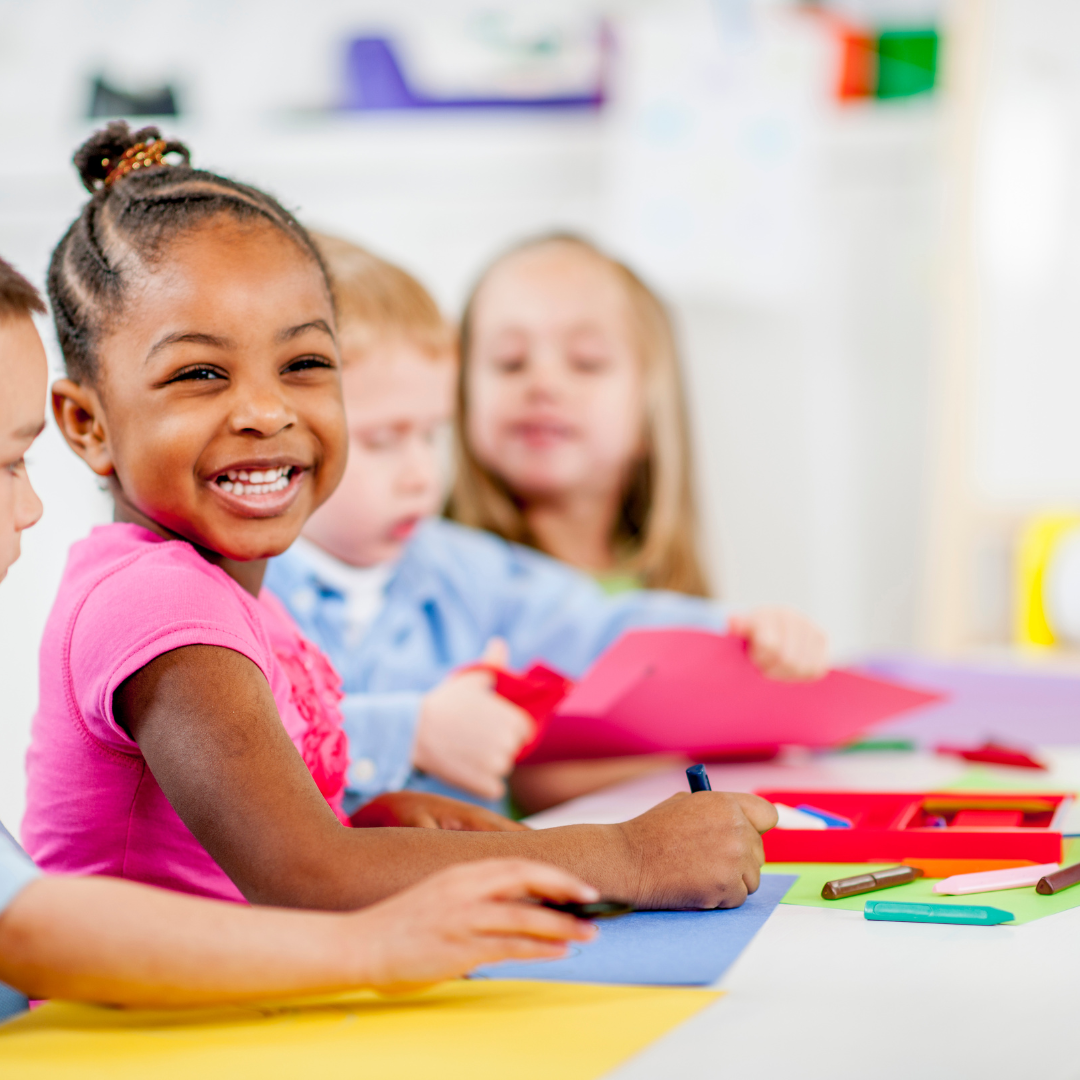


In addition to helping children learn, play-based activities also help them develop fine motor skills. Play-based learning allows children to practice and refine their movements in a fun and creative ways.
Through activities such as drawing, writing, playing with puzzles or blocks, threading beads, manipulating tweezers or scissors, using different materials to mold something new, and other hands-on activities—kids can exercise the muscles in their small hands. These activities help strengthen hand-eye coordination and dexterity, essential for future academic success.
Additionally, play encourages the use of both hands, which is beneficial for balancing development between the left and right sides of the brain.
It also contributes to better posture and physical balance since most activities require movement in various directions while maintaining proper body positioning.
Finally, it helps kids develop visual scanning and tracking skills. These skills are essential for things like reading and writing.
What Are The Elements Of Playful Learning?

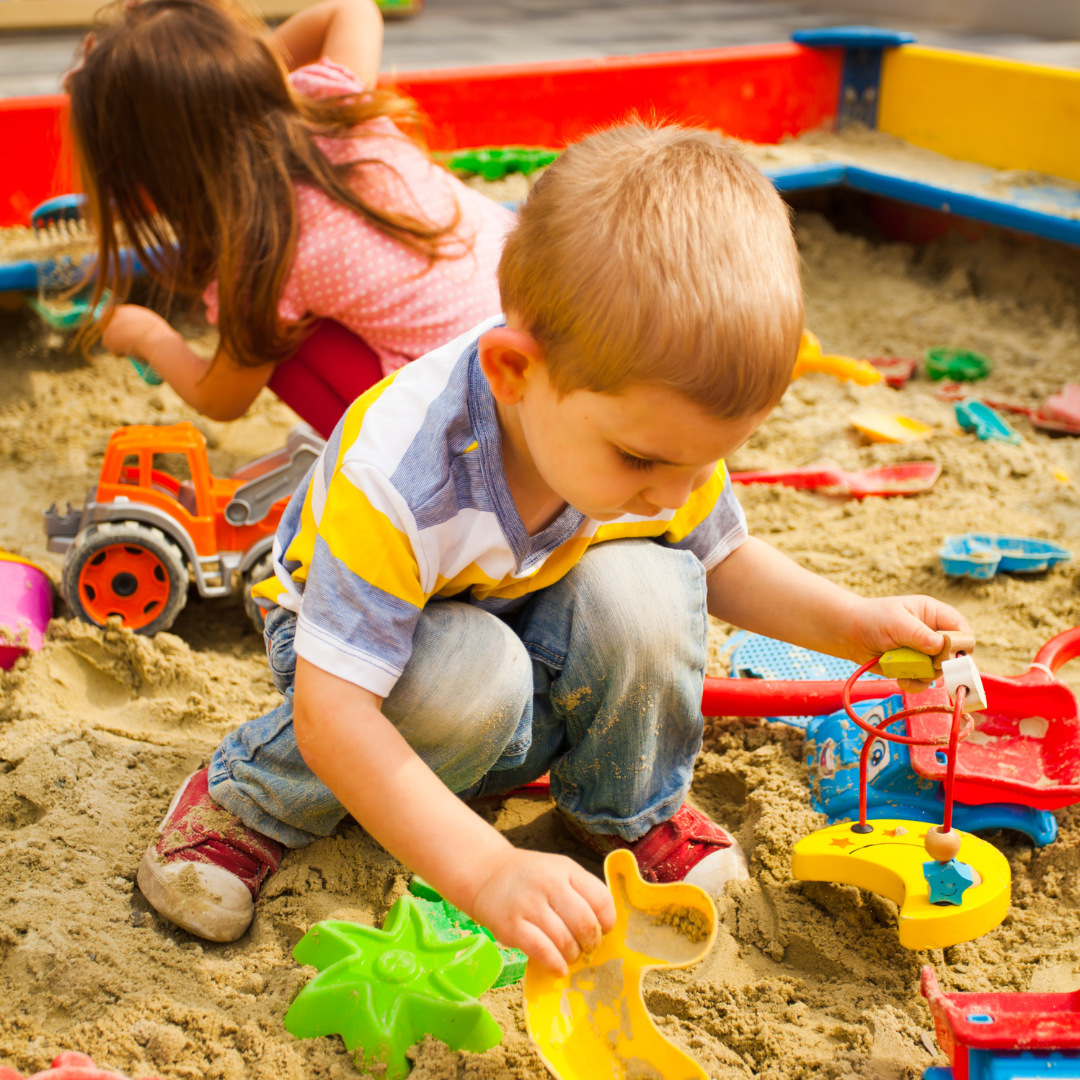


Free Play
Free play is unstructured and allows children to explore their own interests and learn at their own pace. It also helps them develop self-confidence, their problem-solving skills and encourages creativity.
Guided Play
Guided play is a more structured approach where adults provide some direction while allowing children to use their imaginations and learn through playing.
Imaginative Play
Imaginative or dramatic play encourages children to explore different roles, develop social and communication skills, and practice creative thinking and imagination to create new scenarios and stories. It also allows children to achieve the desired outcomes without external rewards or consequences.
Game Play
Gameplay can involve anything from physical activities to board games and apps. This activity encourages children to engage in cooperative or competitive play, develop strategies and problem-solving skills, practice turn-taking, and learn how to win or lose gracefully.
Outdoor Play
Outdoor play allows children to explore their environment and encourages physical activity. This type of play helps with gross motor skills, increases self-confidence, and encourages creativity.
Problem-Solving Activities
Problem-solving activities help children develop empathy, critical thinking, and problem-solving skills.
This type of play encourages kids to think through different solutions and persist in finding the correct answer.
Physical Activities
Physical activities such as running, jumping, climbing, swimming, and more help children develop gross motor skills, coordination, physical strength, and stamina.
Interest-Based Play
Interest-based play allows kids to explore their interests and passions in a safe and encouraging environment.
This type of play nurtures creativity and encourages children to challenge themselves and reach for their dreams.
Social Play
Social play encourages children to work together as a team and develop their social skills, empathy, and understanding of different perspectives.
This type of play allows kids to learn how to cooperate, share and work together.
Academic Play
This type of play involves free and guided activities designed to teach specific academic or language skills. Examples include counting, writing, reading, and practicing math equations.
Play-based learning is a valuable educational approach that can help prepare kids for success in school or work.
Learning Through Play Ideas


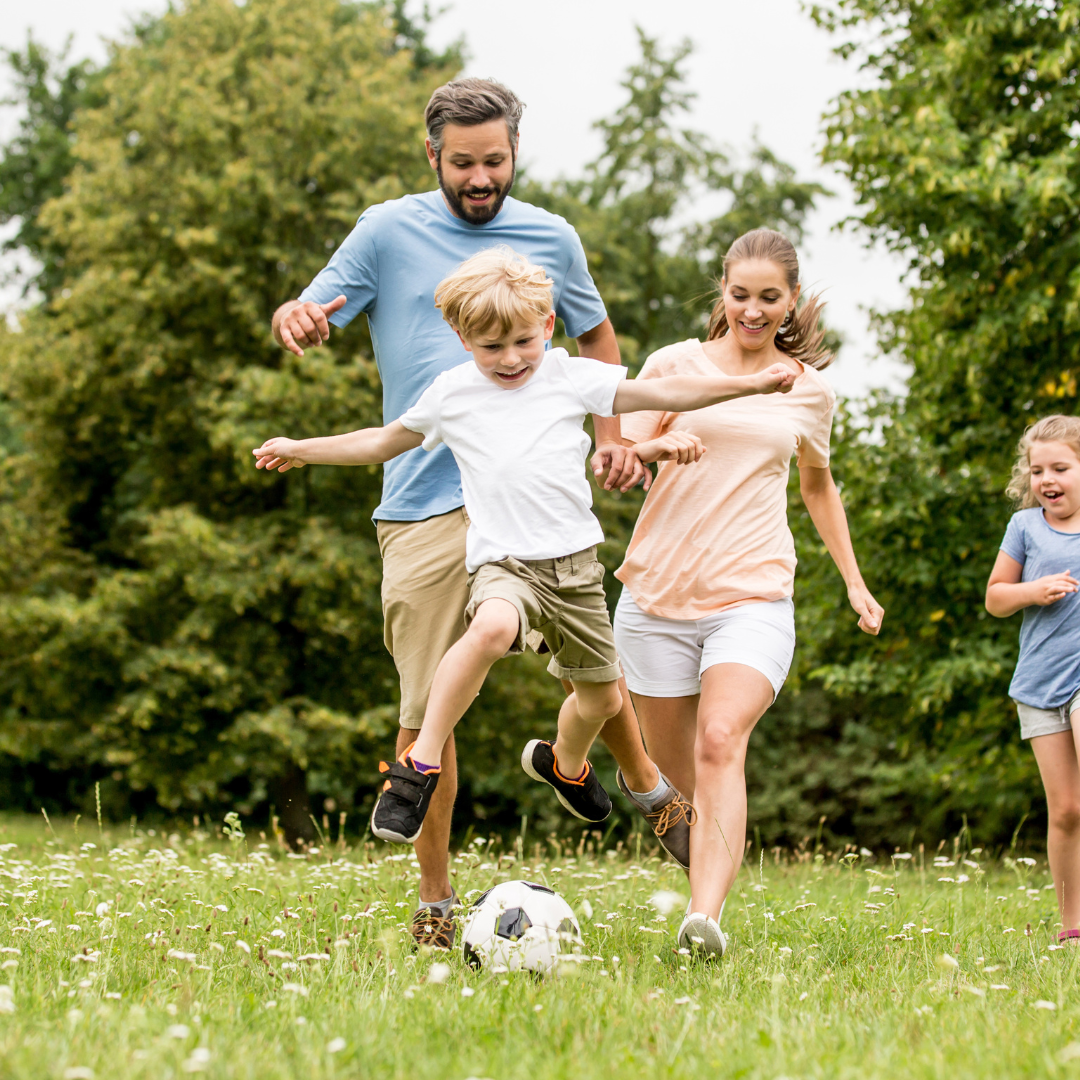


There are so many different ways you can practice learning through playing. Here are some ideas you can try with your kids!
Ball Games (such as catching, throwing, kicking, etc.)
Basketball
Tennis
Baseball
Dodgeball
Kickball
Blocks
Building lego
Puzzles
Connect The Dots
Paper Mazes
Games
Crafting
Painting and Drawing
Crafting
Playdough
Origami
Building & Throwing Paper Airplanes
Role Play
Playing With Puppets & Dolls
Buttoning Clothes
Tying Shoes
Sewing
Threading (such as beads)
Using tweezers (like you do in the game, Operation)
Tiddlywinks
Marbles
Hopscotch
Four Square
Tag
Bike Riding (on a track or paths)
Driving Large Vehicular Toys (on a track or trails)
Blowing Bubbles & Chasing
Balloon Games (keep it up, pass the balloon around the circle)
Jump Rope
Hula Hoop

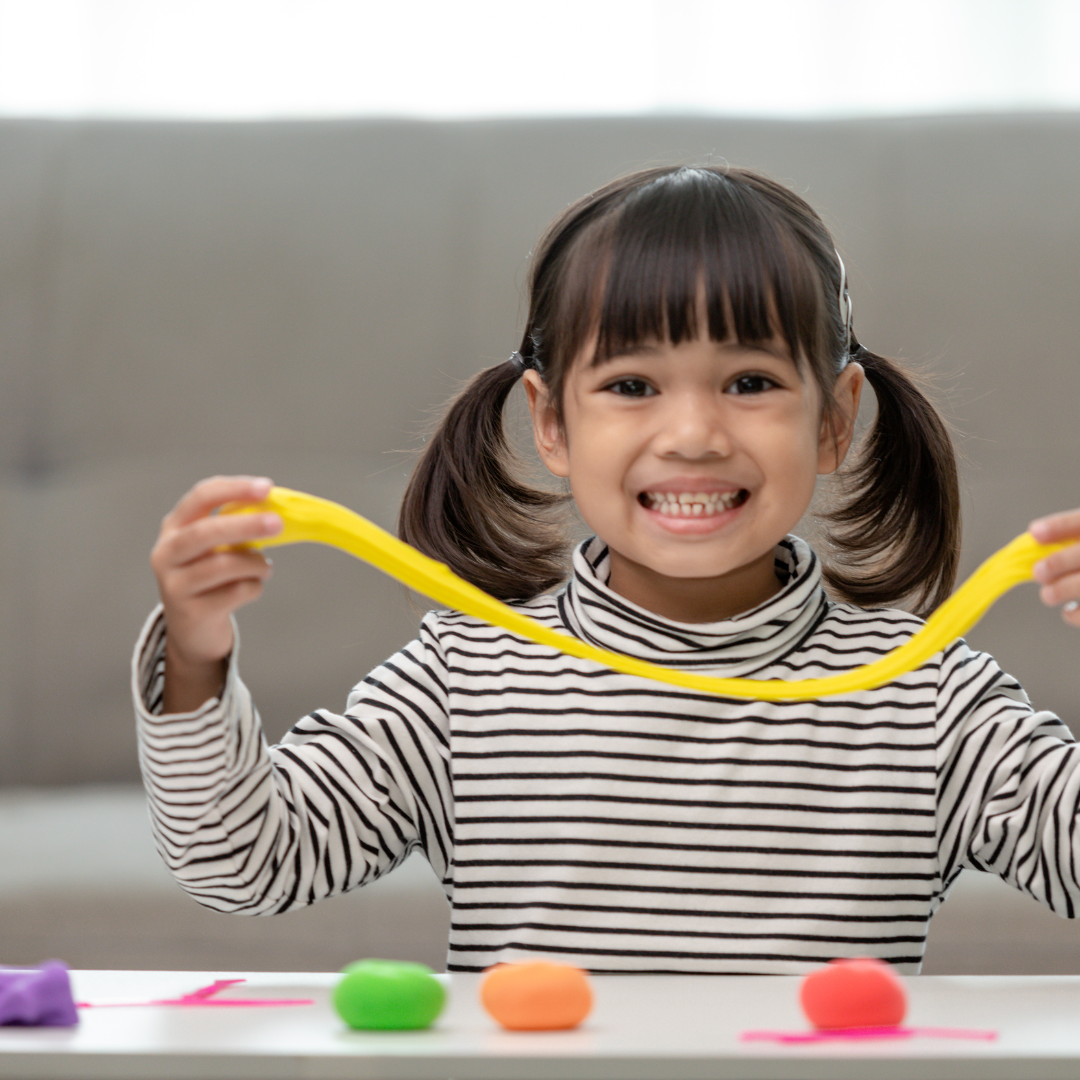


Benefits Of A Play-Based Approach
The positive impact of playing through learning are numerous, including:
development of motor skills;
cultivating problem-solving abilities;
exploring interests and children's natural curiosity;
social development;
emotional development;
critical thinking abilities;
increase self-confidence;
aiding in language development, mathematical skills, science skills, etc.;
fostering creativity and imagination;
and development of physical abilities.
Playing also helps kids connect new concepts or experiences with prior ones, allowing them to better understand the world around them.
Additionally, it provides an opportunity for free exploration without fear of failure and encourages risk-taking.
Play experiences benefit young students, especially when practiced consistently and methodically by parents. If not done correctly, there can be some disadvantages to this learning technique.
Disadvantages Of Learning Through Playing
The main disadvantage of child development through play is that it may only cover some of the elements of a traditional educational approach.
Play-based learning does not necessarily teach children structured academic knowledge such as reading, writing, and arithmetic.
Additionally, many play-based activities can be unstructured, leading to disorganization or lack of focus.
Play also requires adequate supervision from parents/caregivers to be safe and effective. Finally, some children may find some play activities too difficult or easy, limiting their engagement or enjoyment.
Such challenges are why it is crucial to tailor play-based activities to each child's level while ensuring they remain engaging enough for successful learning outcomes.
How To Incorporate Play-Based Learning Into Your Child's Education


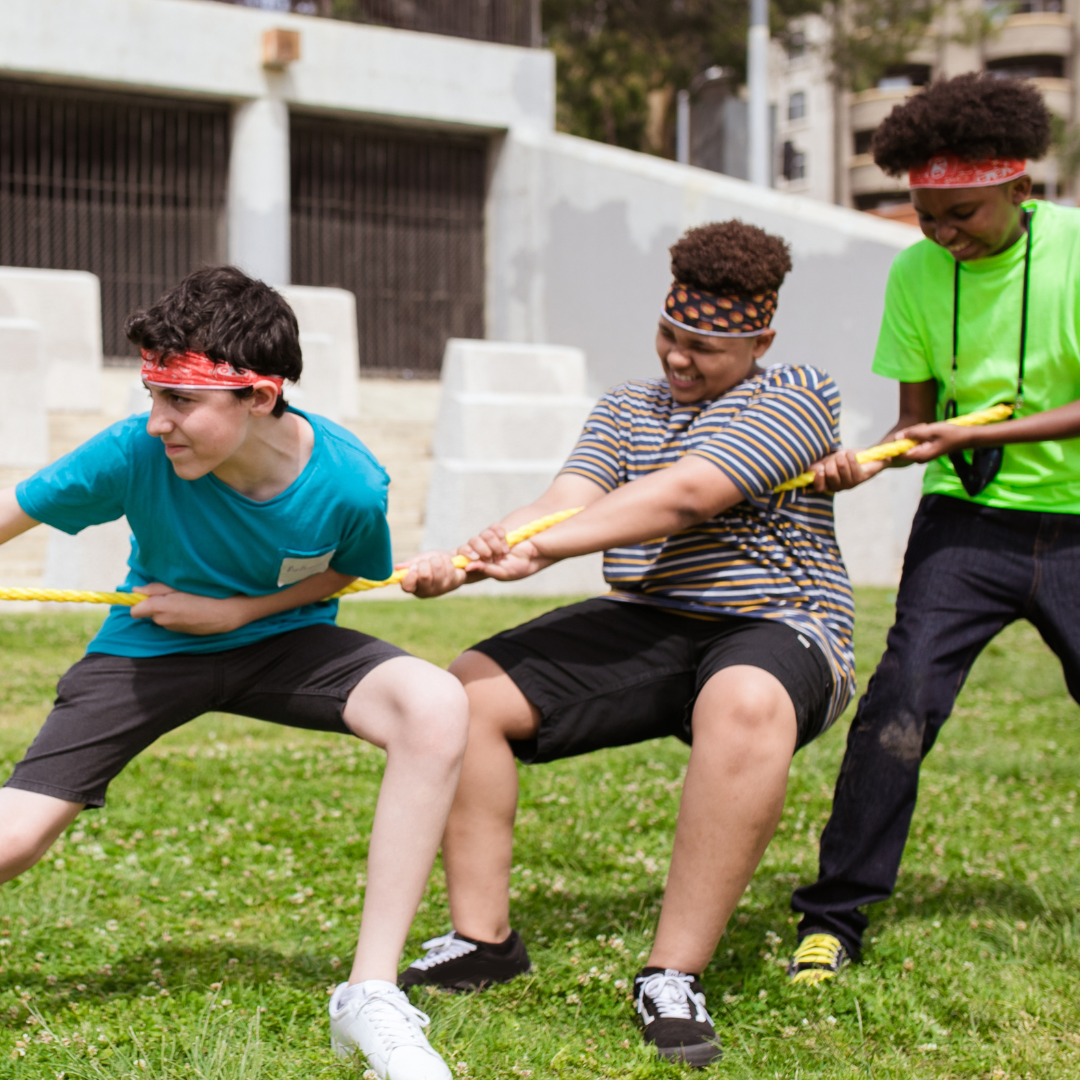


If you're interested in using learning through playing to help with your child's development, here are some tips you can use to incorporate it directly into your child's education.
Tip #1 - Have Free Time Scheduled For Free Play
Schedule free play for your child at least once a day. This will allow them to explore their interests and curiosity without your expectations or pressure.
Tip #2 - Provide Structured Play Activities
Provide structured activities such as building with blocks, playing board games, doing puzzles, and other activities that require problem-solving skills.
Tip #3 - Create Play-Based Learning Centres At Home
Create a play area in your home with blocks, puzzles, and books for your child to explore.
You can also create play-based learning centers outside, such as sand tables. Doing this will help them develop the skills necessary to succeed academically and socially.
Tip #4 - Utilize Manipulative Items In Your Education
Utilize manipulative items such as counting blocks, pattern blocks, and other items that children can use to explore math concepts, improve reading skills, and more.
Tip #5 - Play Games
Games are a great way to help children learn. Games such as Simon Says, Go Fish, I Spy, and others can help children develop problem-solving skills, improve their memory, and enhance their ability to follow directions.
Different games can include:
Board games
Card games
Physical games (such as dodgeball or tag)
Tip #6 - Get Outside


Encourage your child to get outside and explore nature. Getting outside can help them learn more about the world, build motor skills, and improve their physical and mental health.
Learning through play is integral to helping children develop the skills they need to thrive in life. It allows them to explore, grow, and learn in a safe and engaging environment.
By incorporating play-based learning into your child's education and providing them with the tools to explore their interests, you can help them reach their full potential.